
How can the visual manifestation of a person compensate for their transient nature?
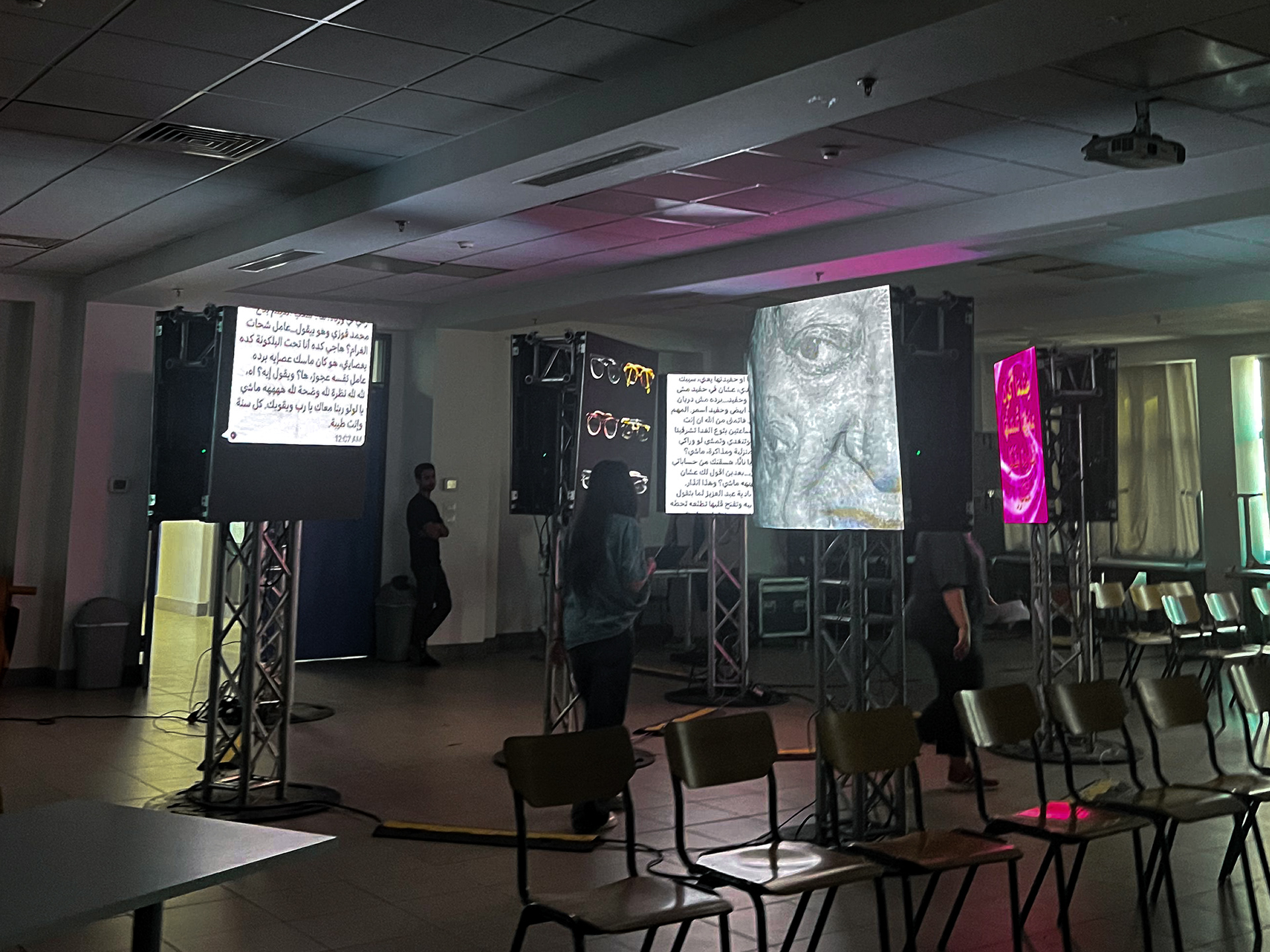
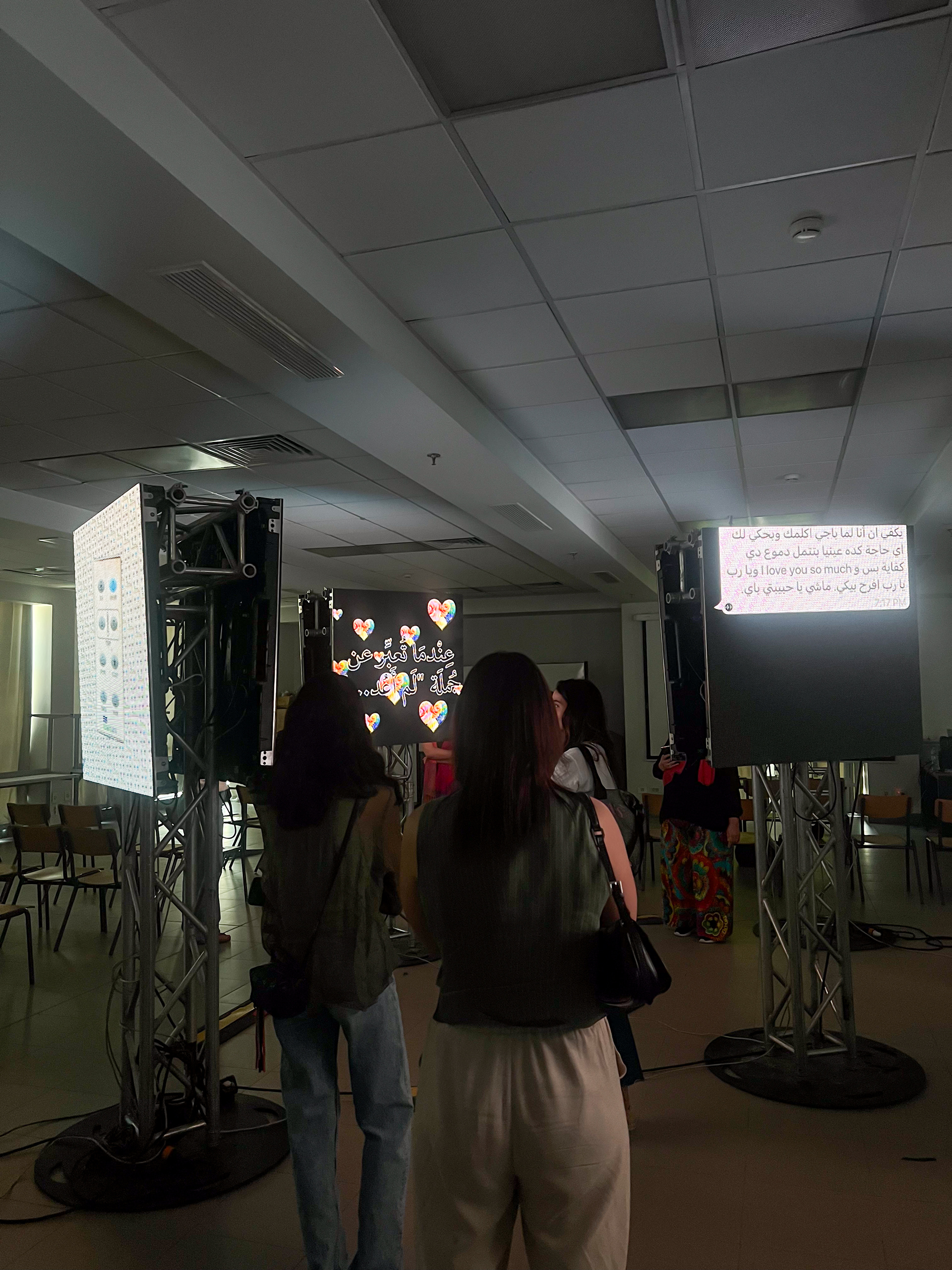
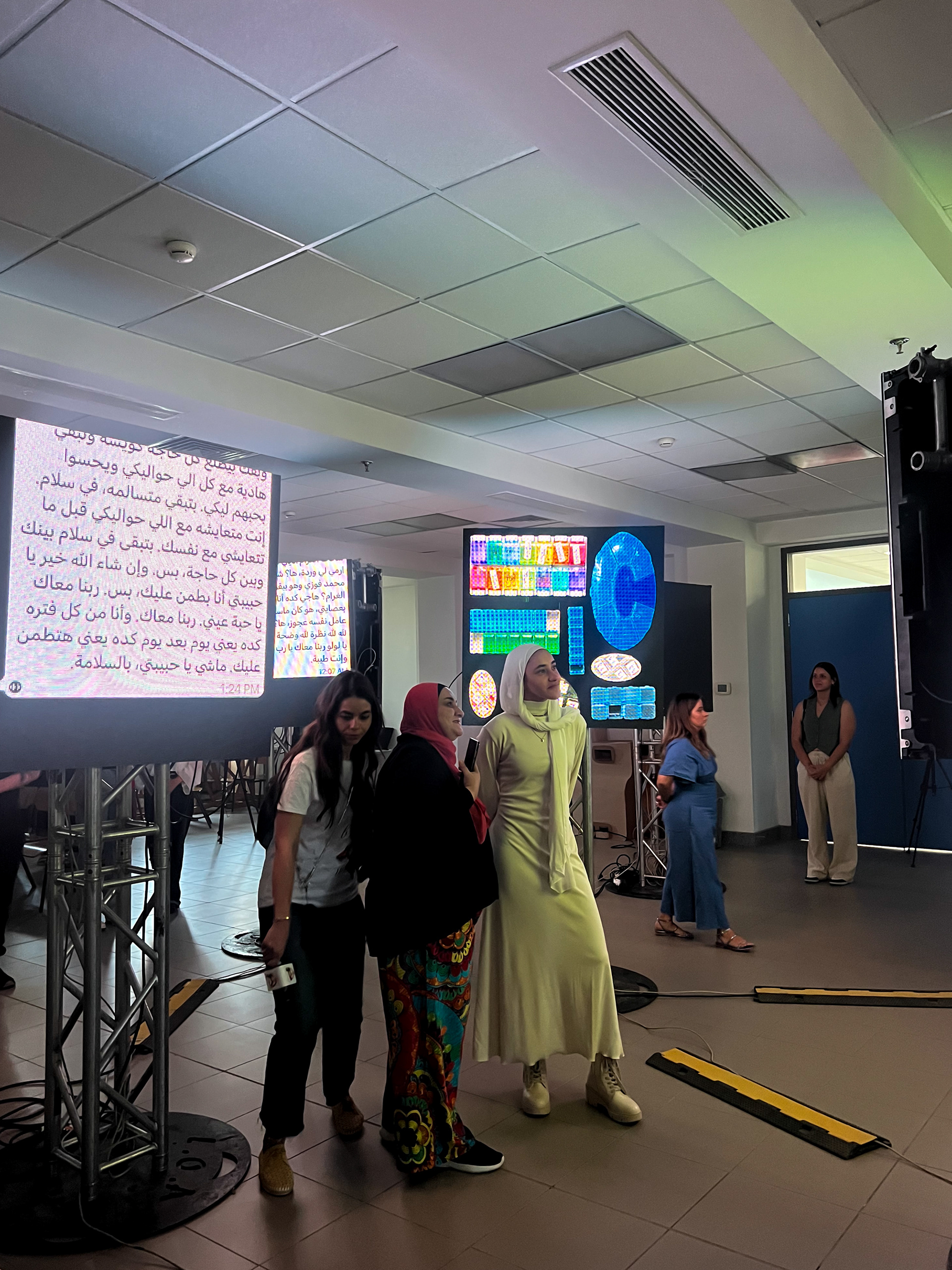
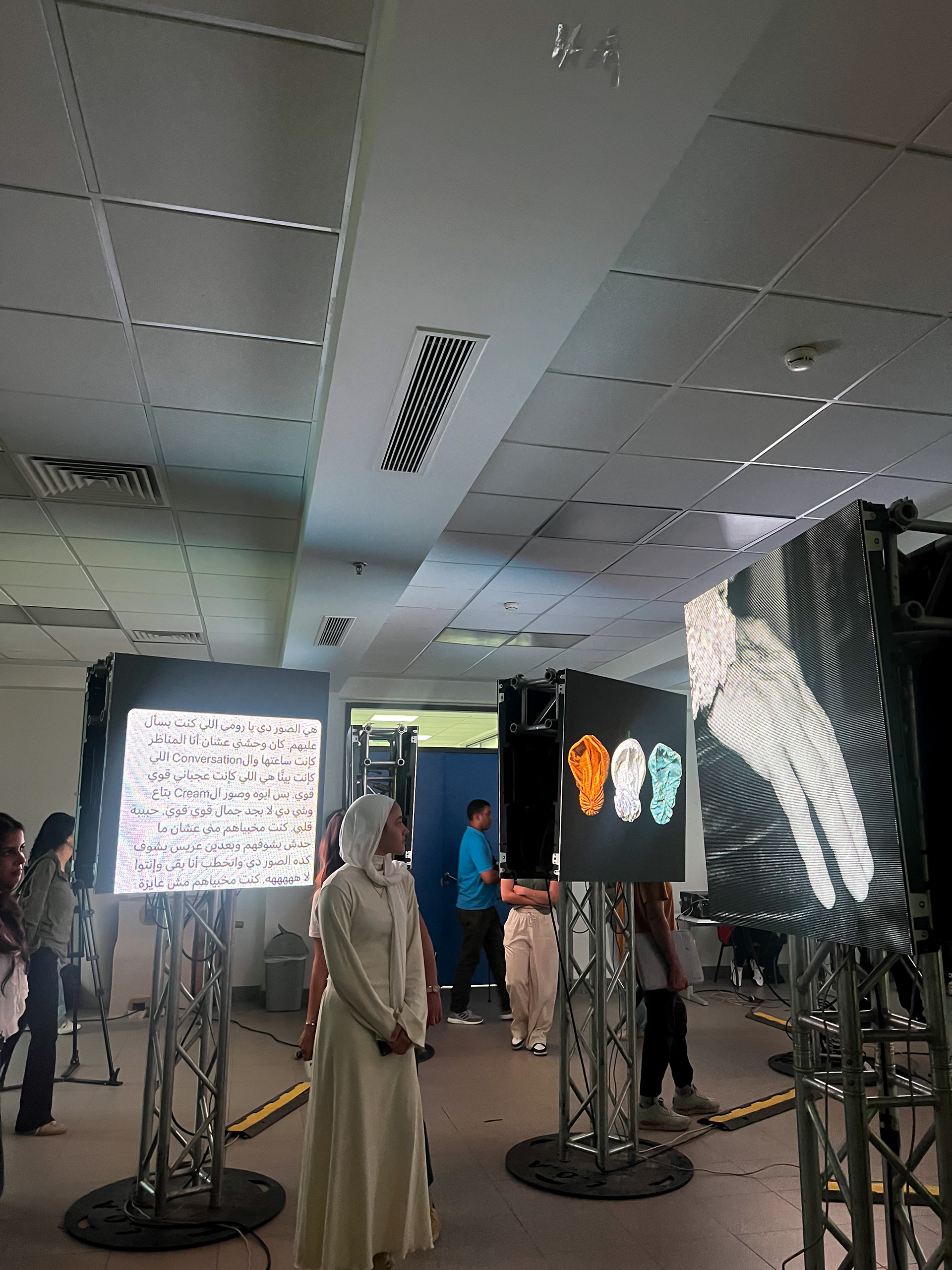
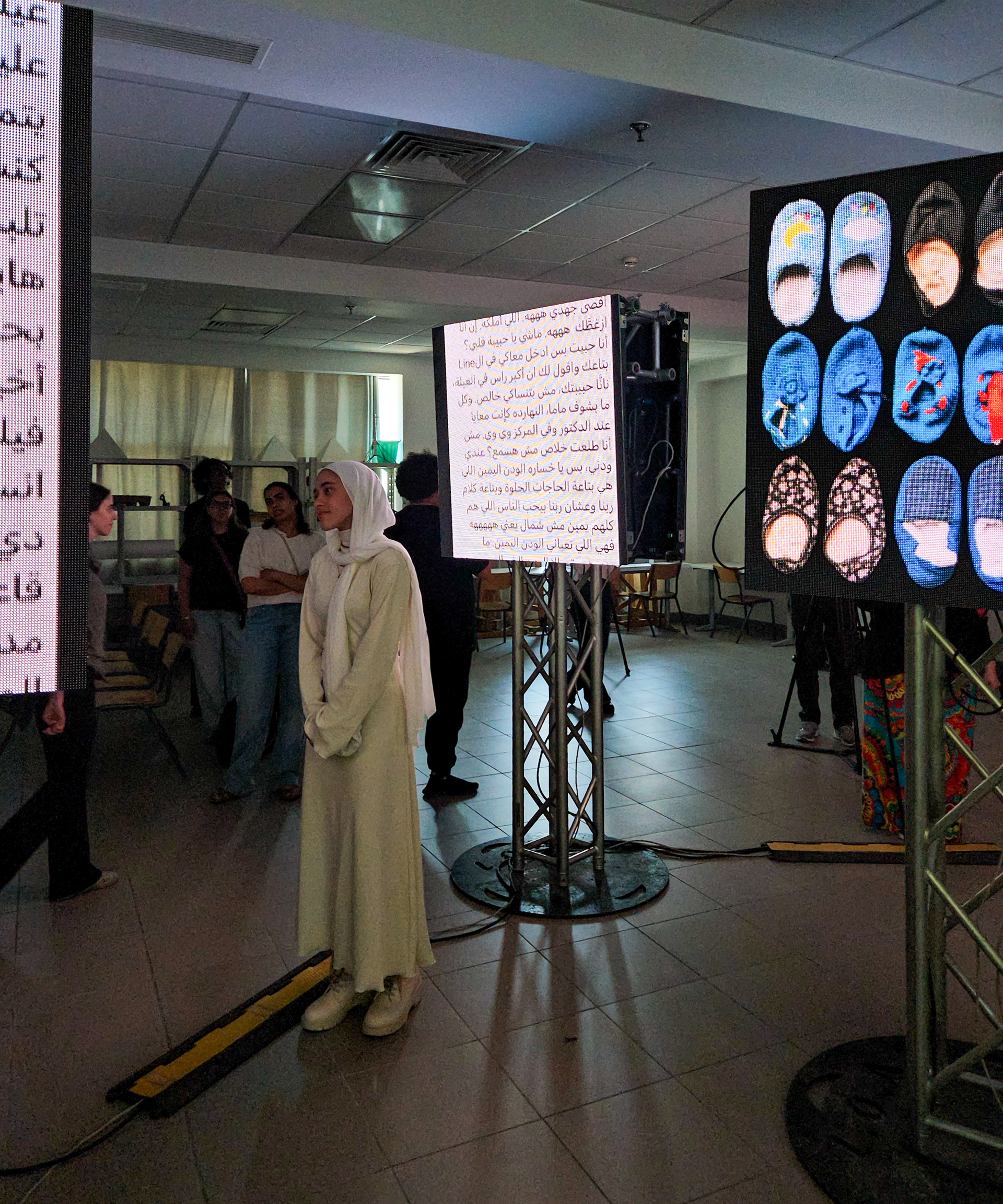
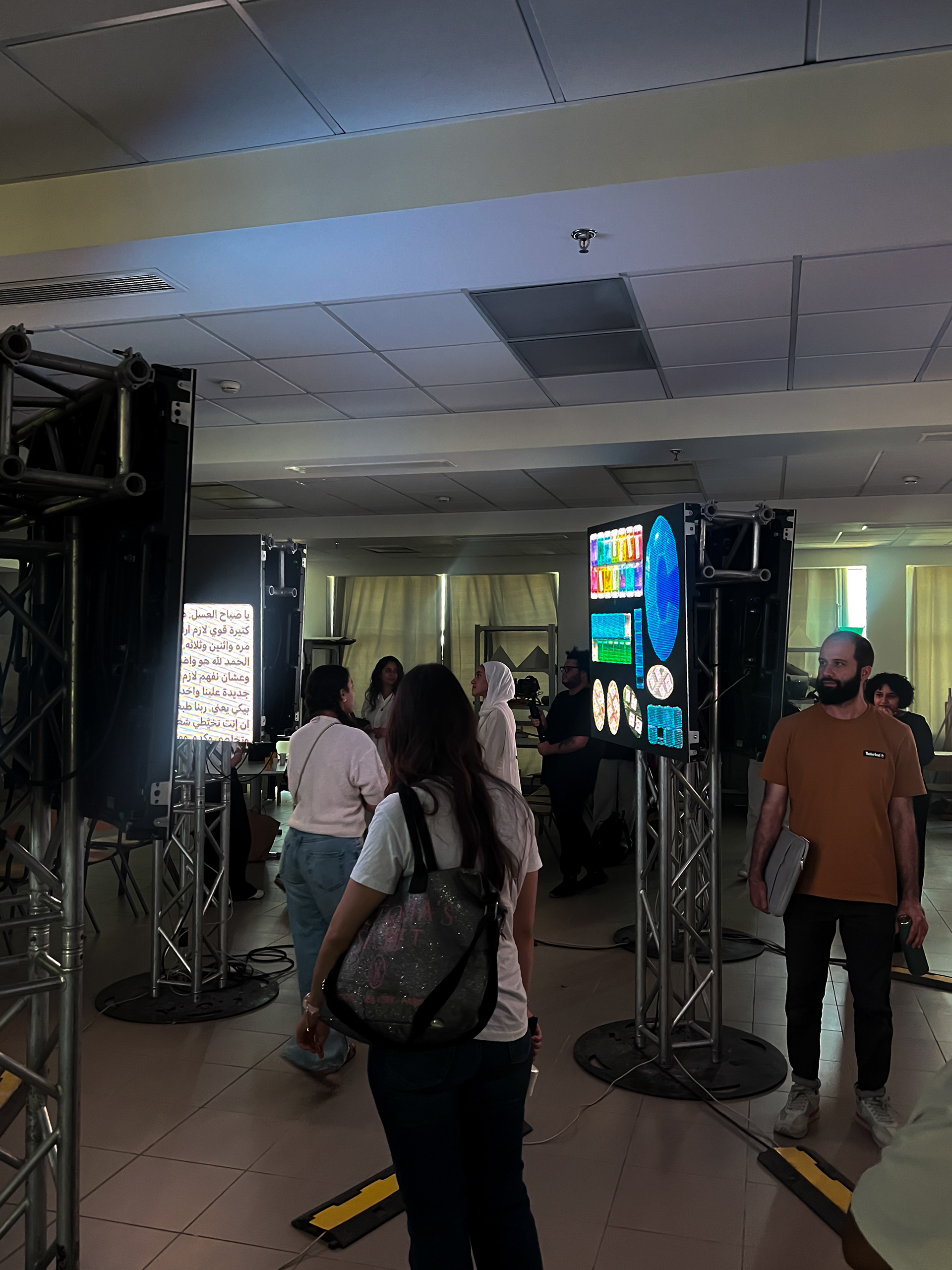
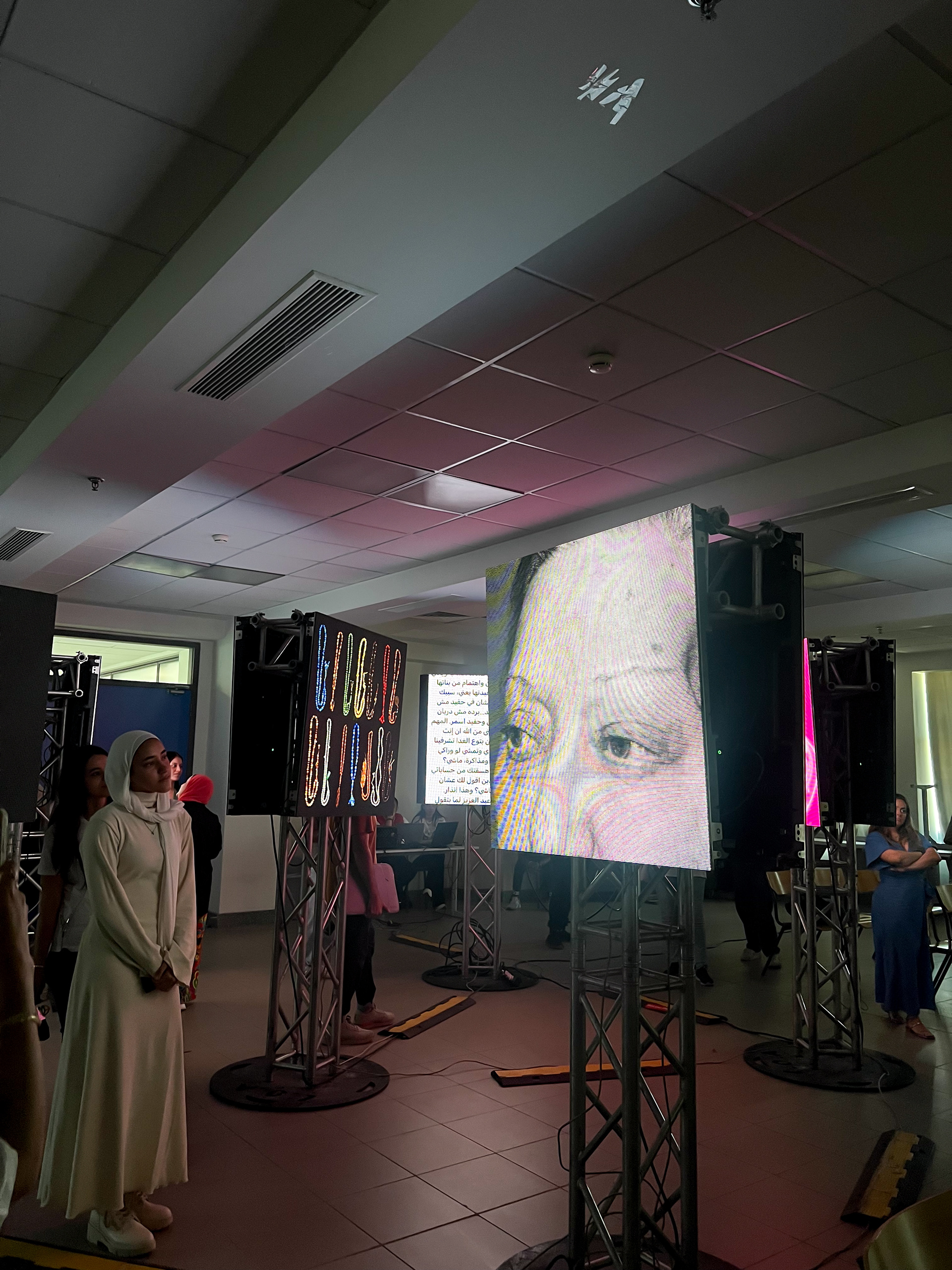
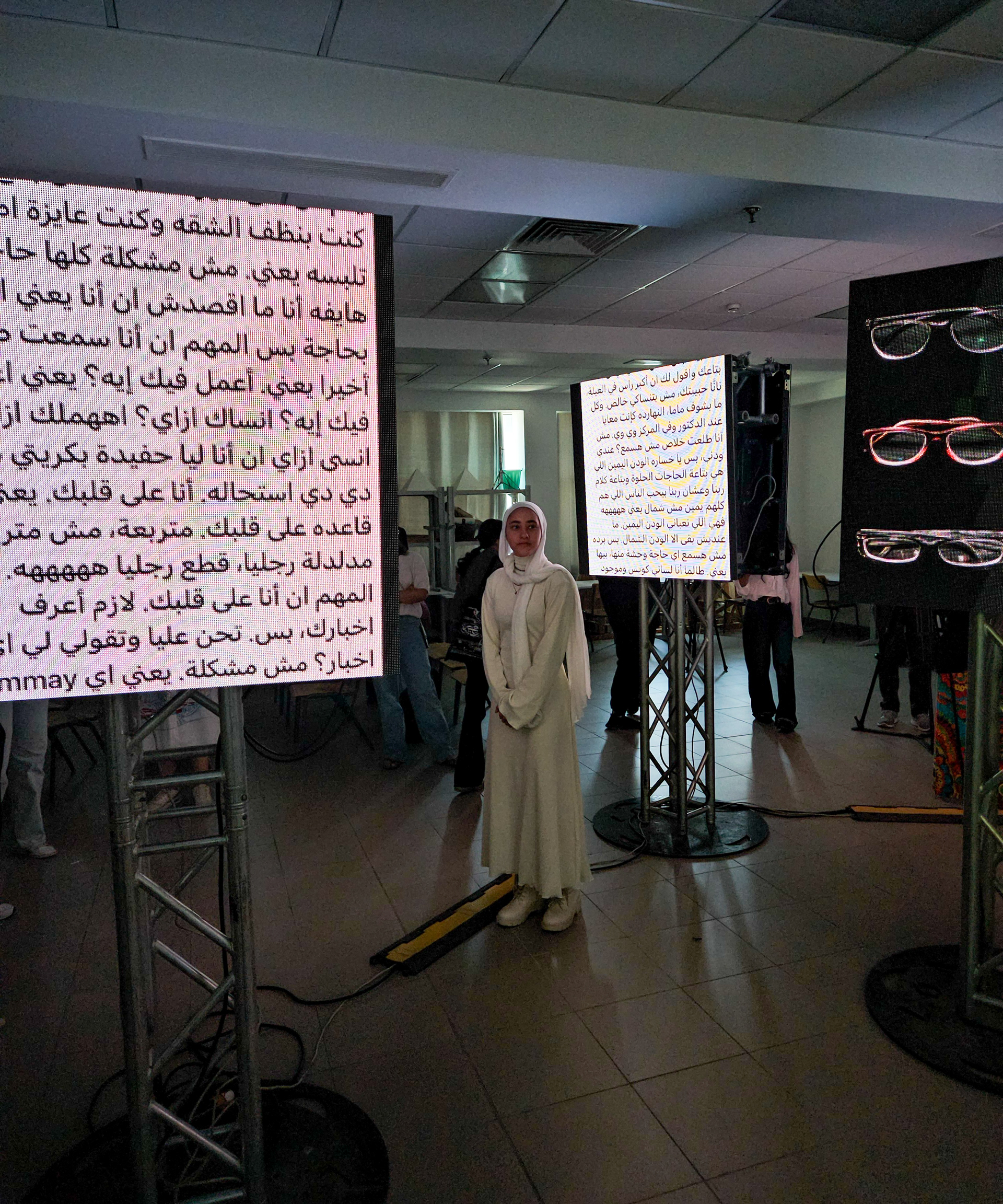
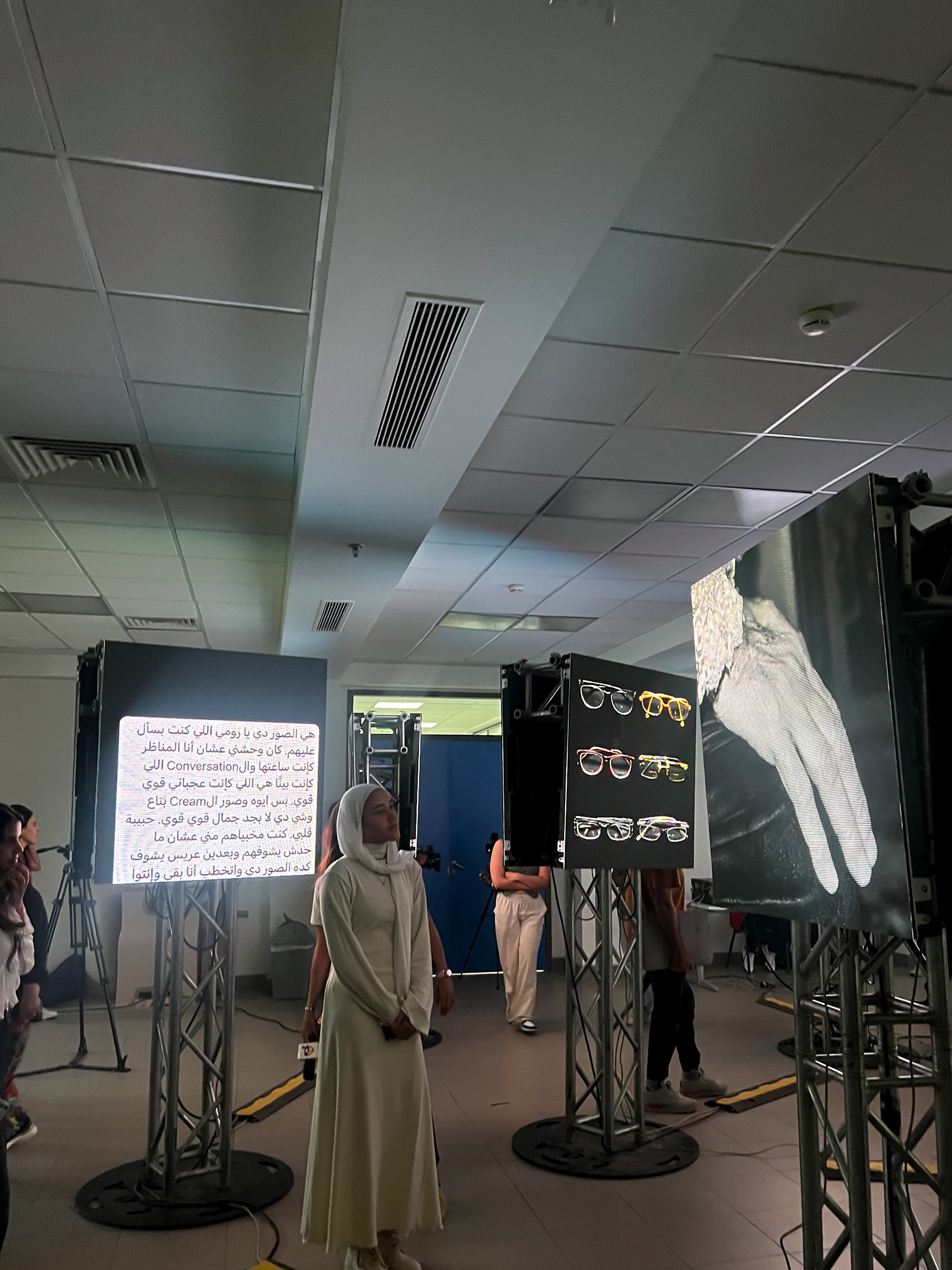
I created this intimate screen installation in 2024 as a visual narration that translates a personal experience of transience, through which I embody my grandmother. GO DOWN for an accurate live walk-through of the whole installation.
The beginning
As an intimate exploration of perception in relationships and an admission of our inevitable fleetingness, this project examines the proximity of my relationship with my grandmother and its influence on my personal perception of her. The research aimed to develop a visual embodiment of this essence that transcends time, observing how this perception manifests outside archival narratives, social frames, or collective identities.
How to capture the essence of a person visually,
and to immortalize it in a timeless format?
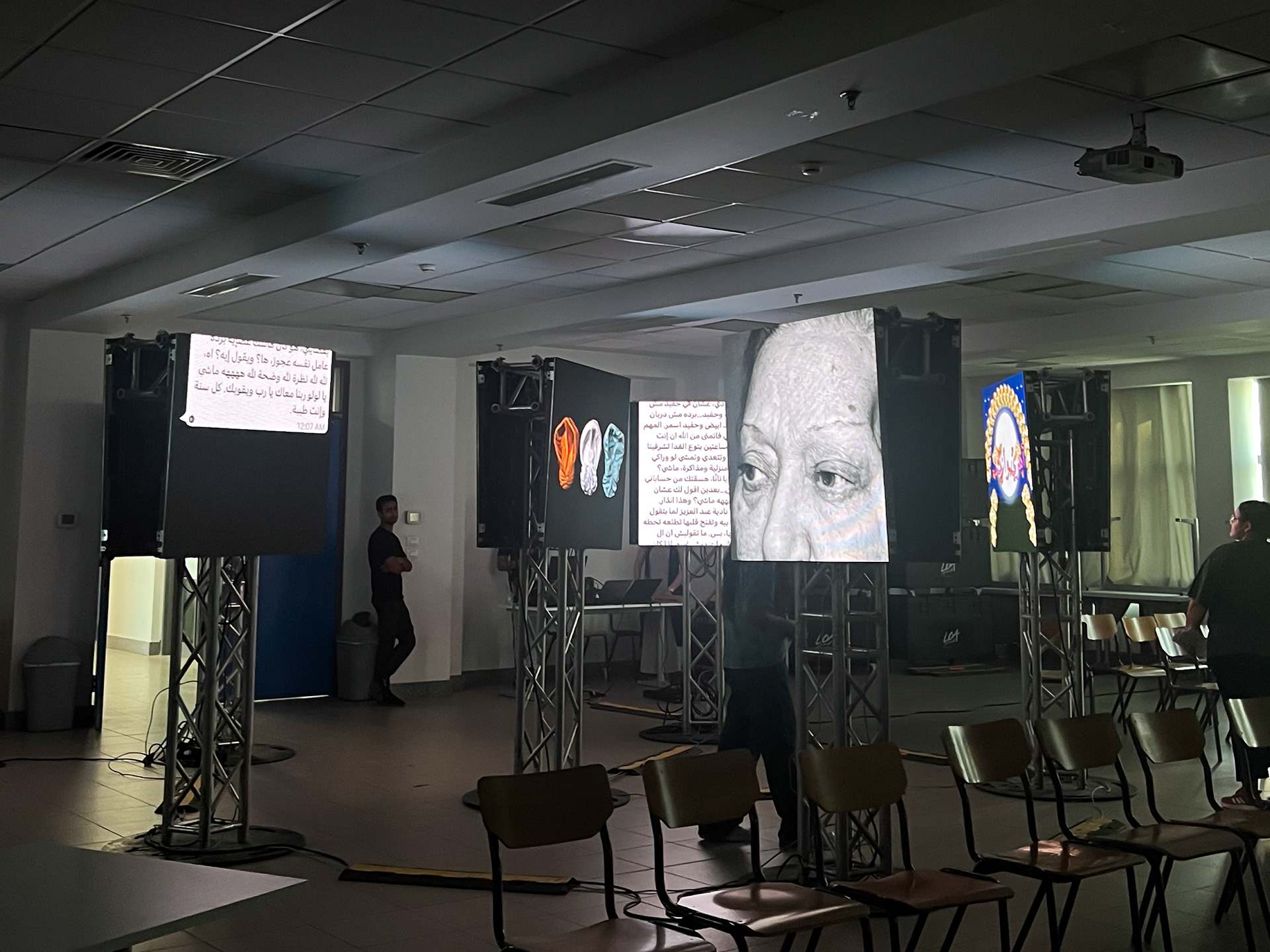
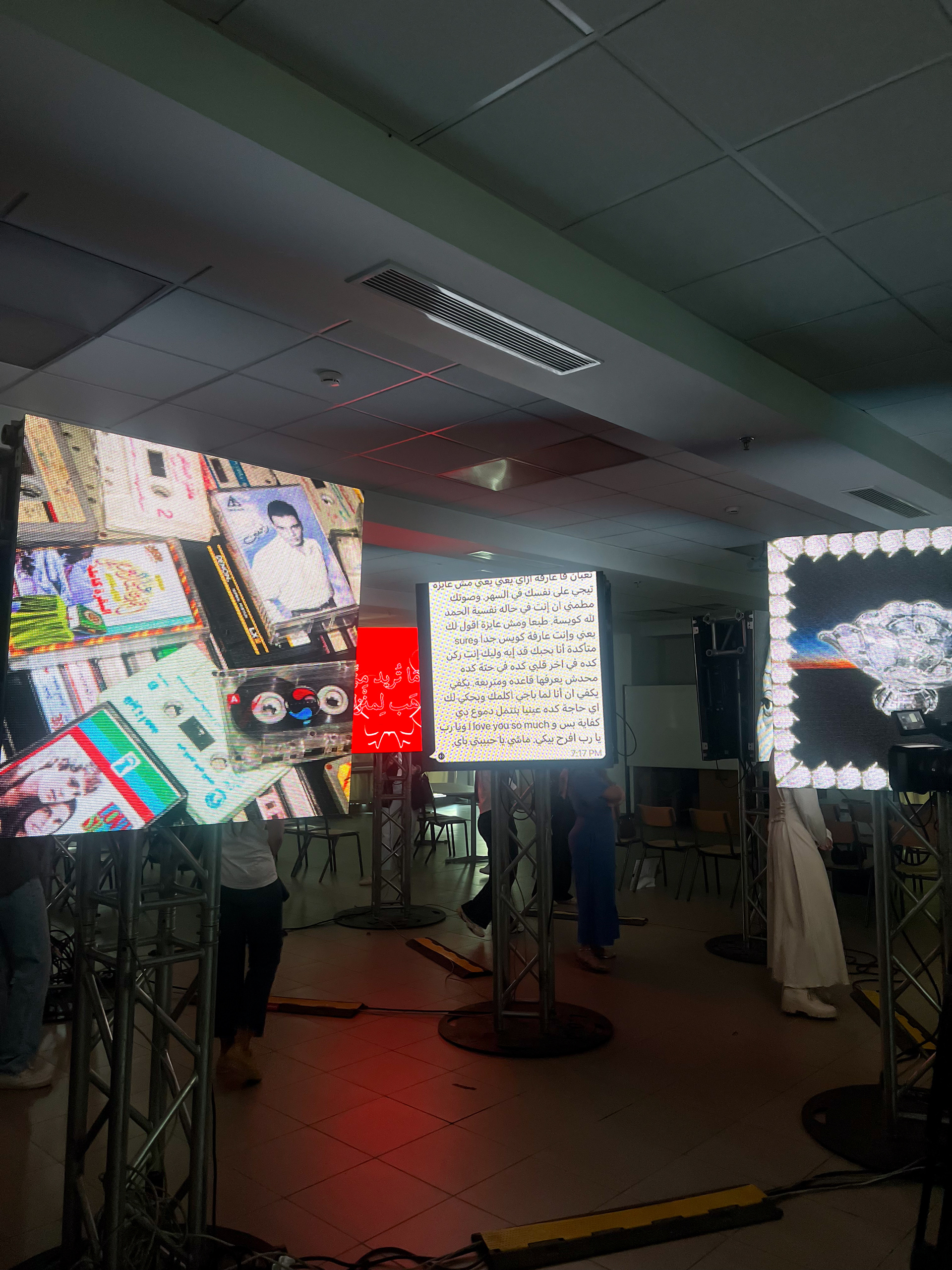
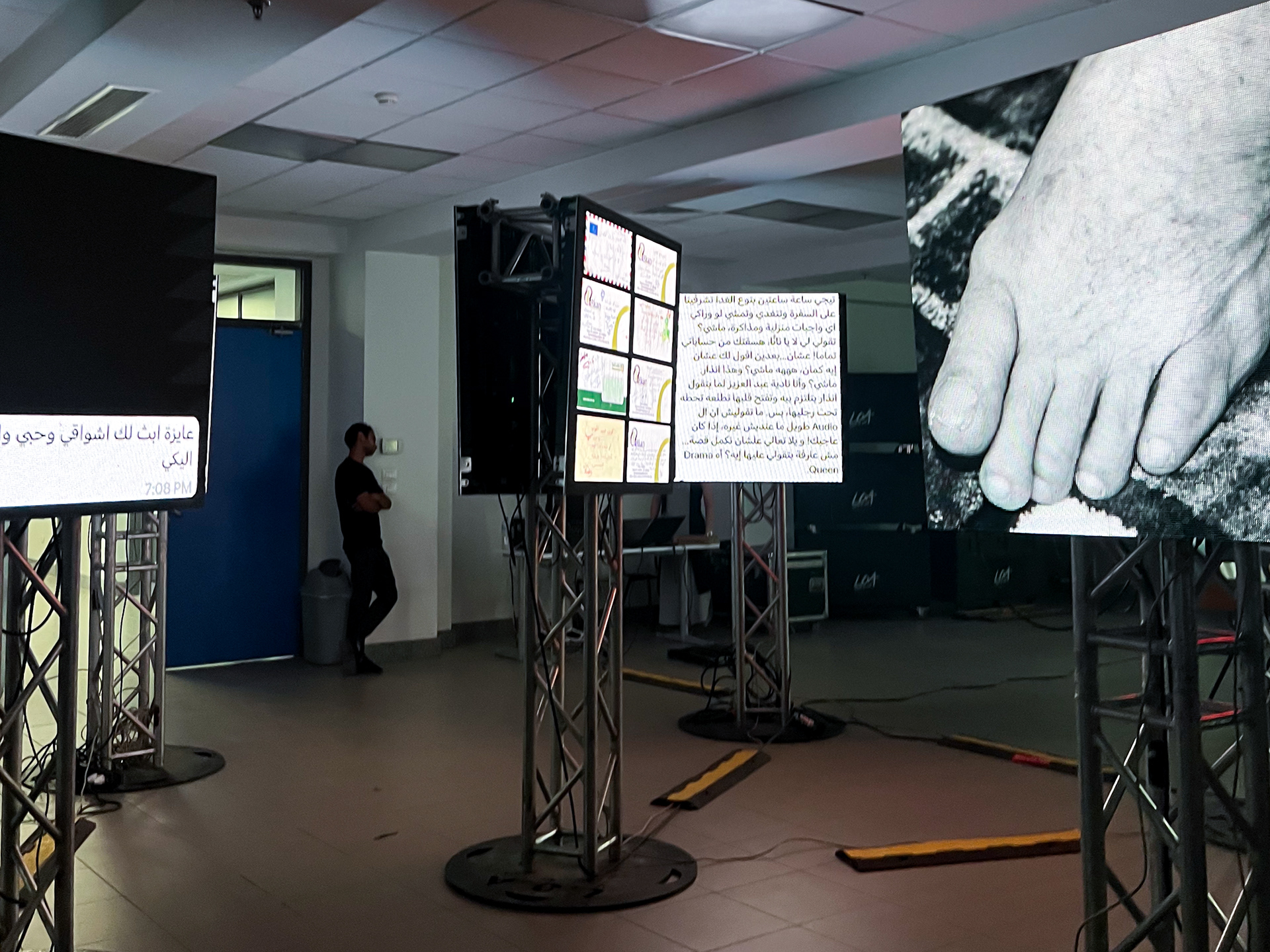
The Clusters
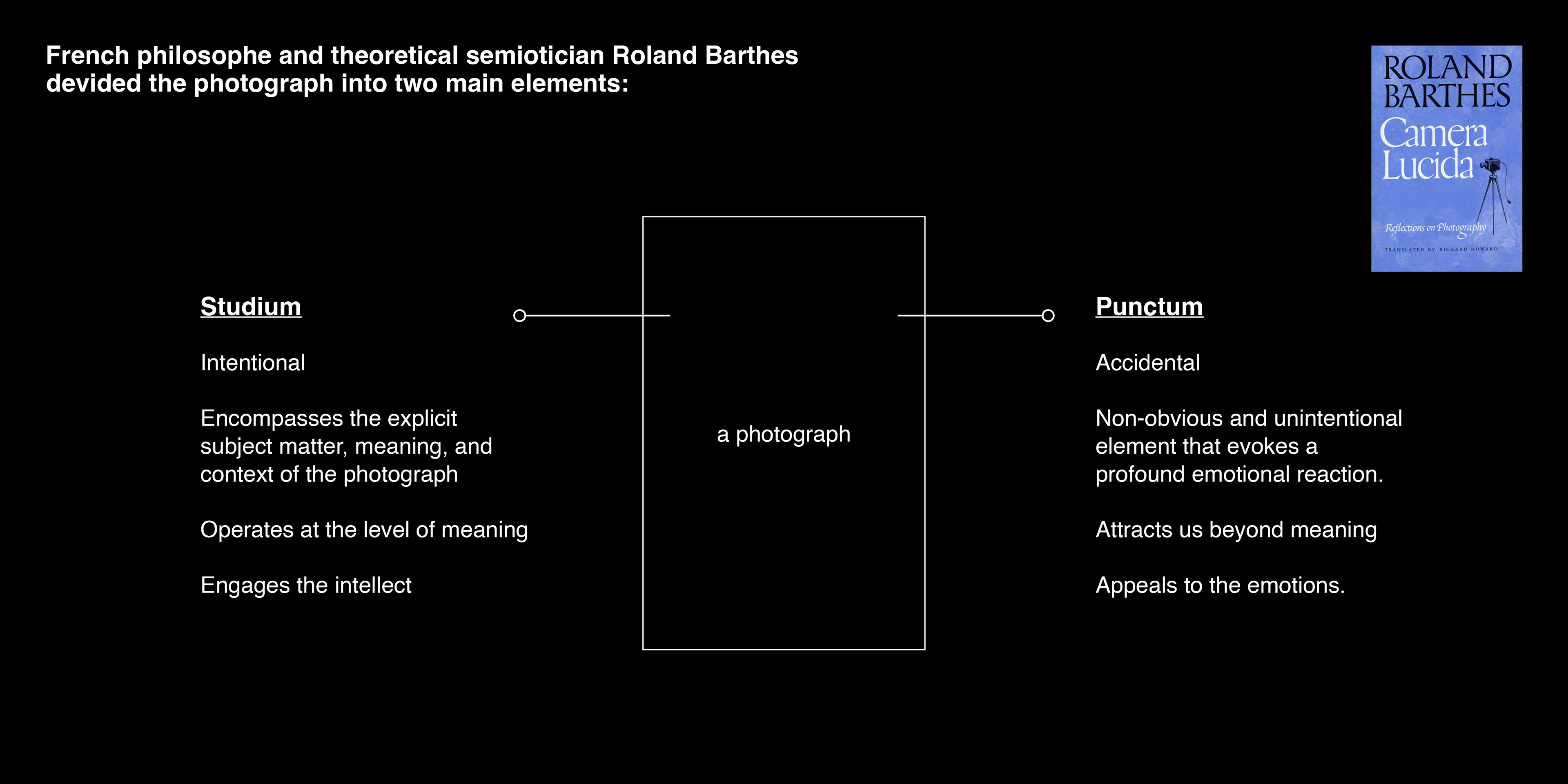
Punctum affects timelessness. Barthes describes it as a non-obvious, unintentional element that draws us to certain photographs beyond both the denoted and connoted meaning. He emphasized a paradox, one that I exploited: although the Punctum requires the spectator, it exists independently, as it is “already there” to be discovered. I went beyond Barthes’ philosophy—not by controlling the Punctum, but by predicting it. This was achieved by emphasizing secondary details through design, details that would normally escape notice. To truthfully embody how I visualize a person, I must work with the reality I have, in whatever form it manifests, and show its essence rather than aestheticize it. What I want to timelessly preserve is present in the things I relate to my grandmother, rather than being depicted onto them, and together they form a complete portrait of her.
I studied Roland Barthes’ idea of Punctum as no longer a visual detail that pierces the viewer but as time itself—an emotional intensity revealing the passage and inevitability of life and death. Each photograph merges past, present, and future, existing as both proof of what once was and a reminder of what will cease to be. His philosophy also denotes that while photography holds reality as it is, without a code, painting opens windows for interpretation through its representative nature. I deduced that to authentically embody a person’s essence visually, one must fully understand and engage with the intrinsic nature of the chosen medium. The resulting visual system should not rely on a single technique (photography, collage, etc.) but on what the essences of the things associated with my grandmother require to be portrayed.
“This new Punctum, which is no longer of form but of intensity,
is Time […] its pure representation.” (Barthes, 1980)
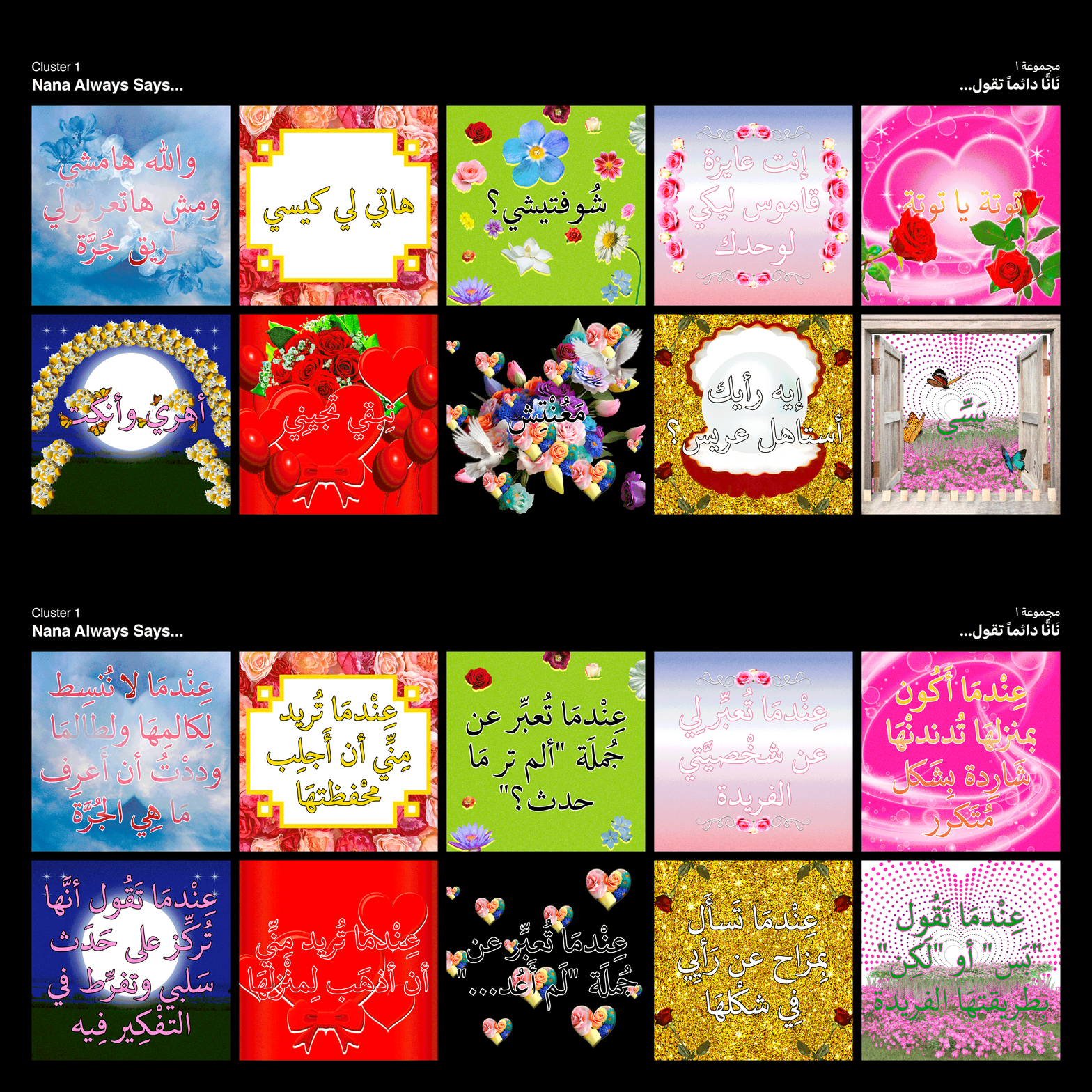
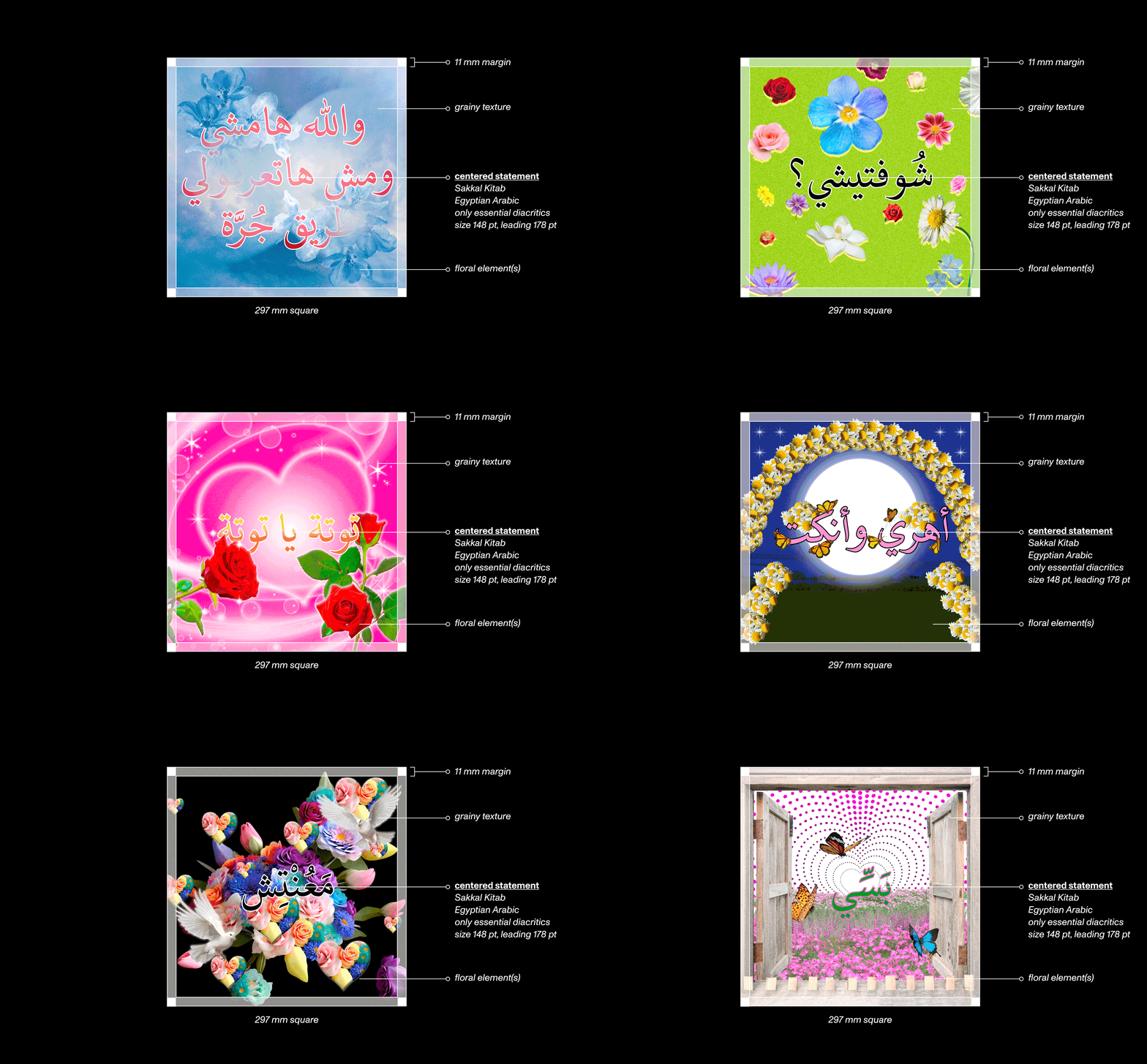
My grandmother frequently uses phrases that are odd in nature and very unique to her.
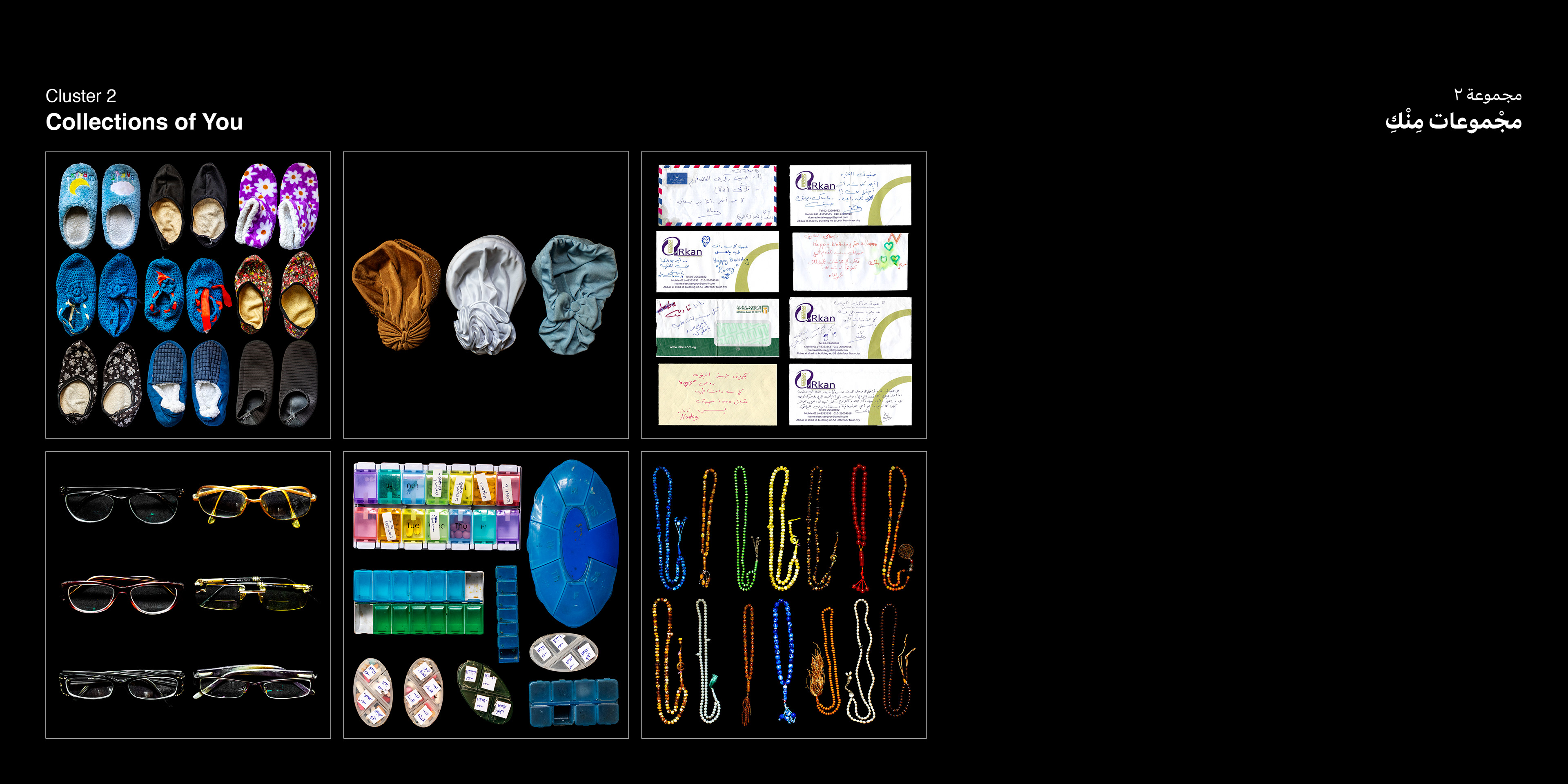
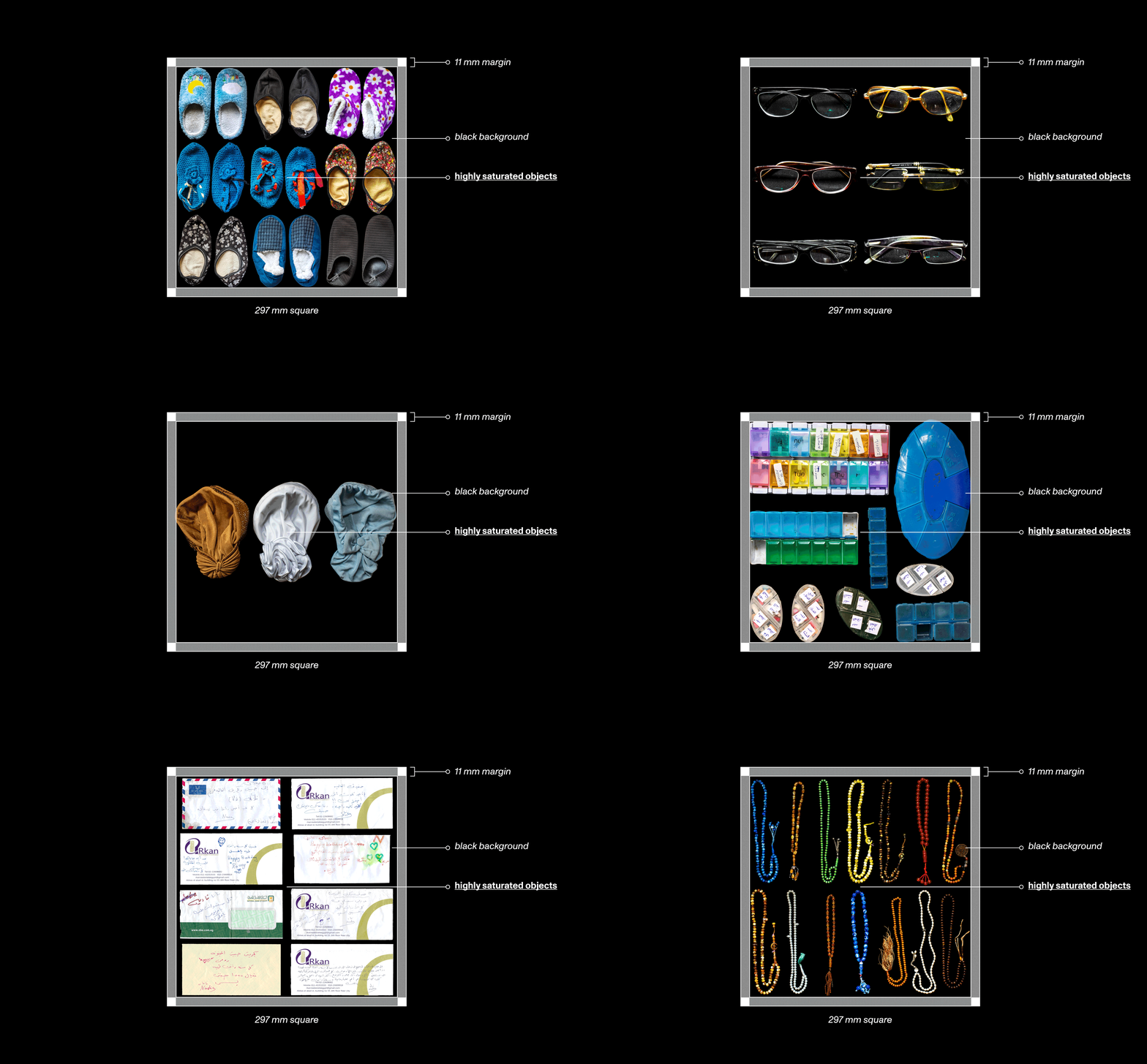
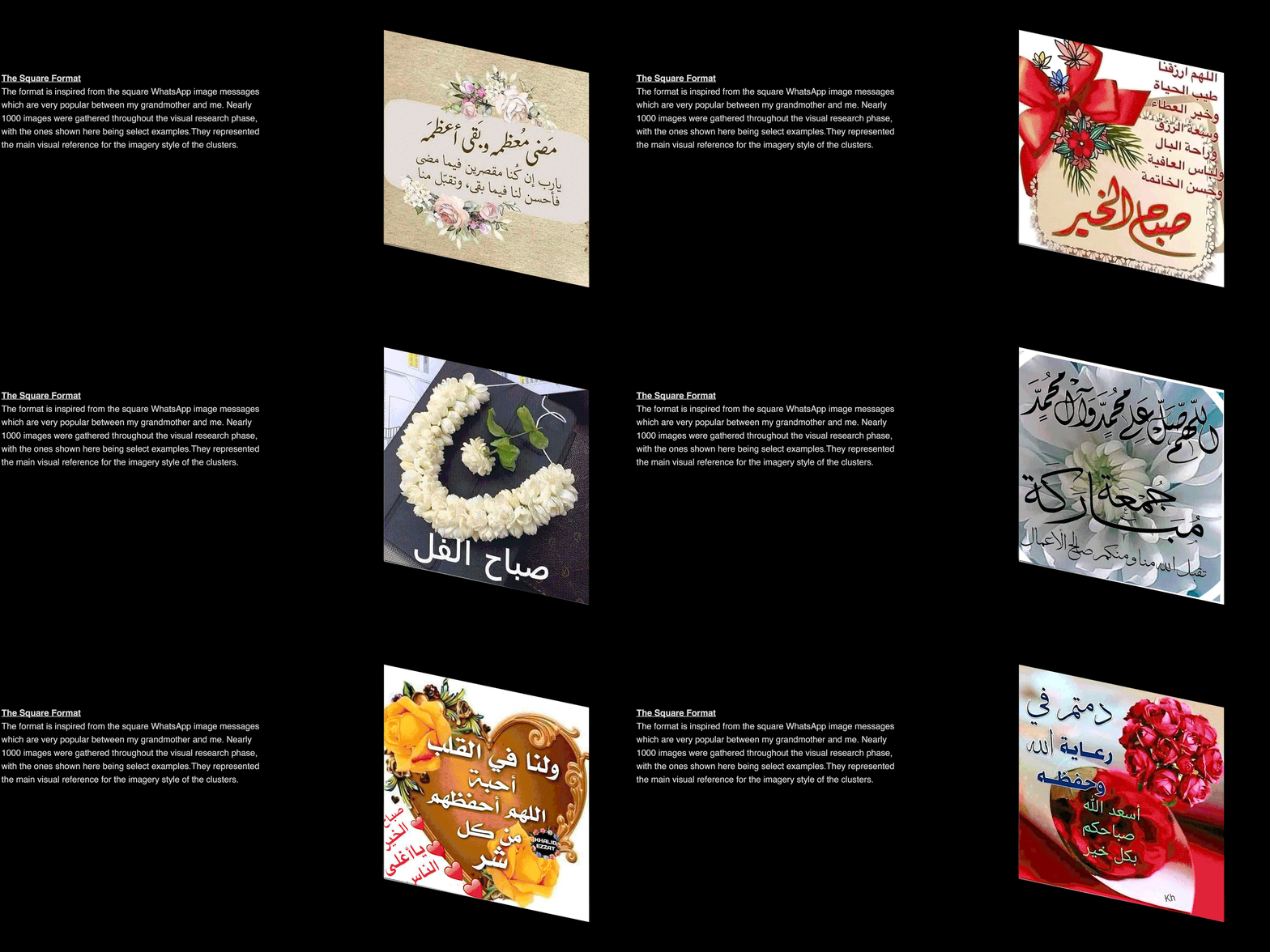
Arrangements of objects that my grandmother has multiple of.
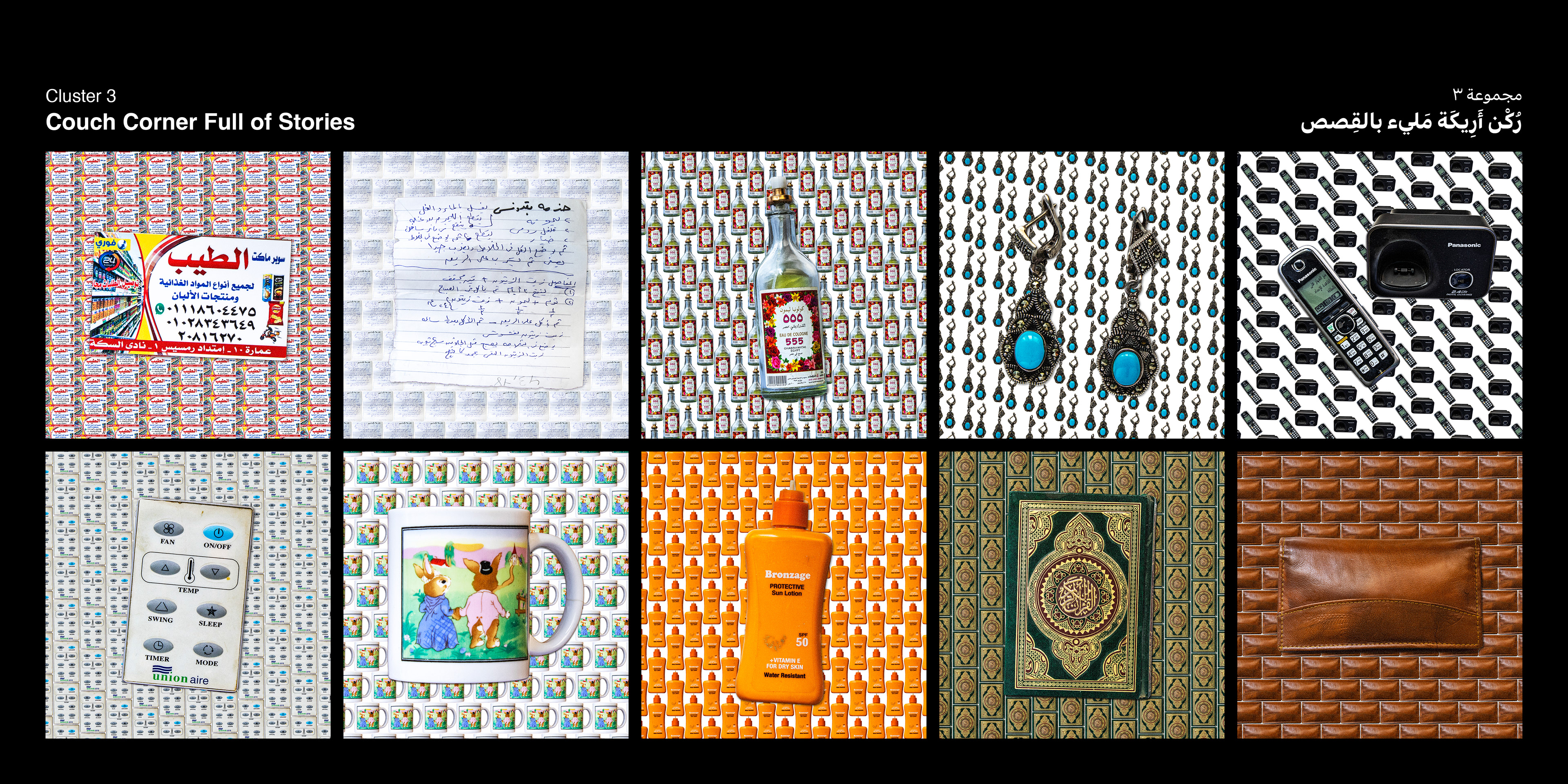
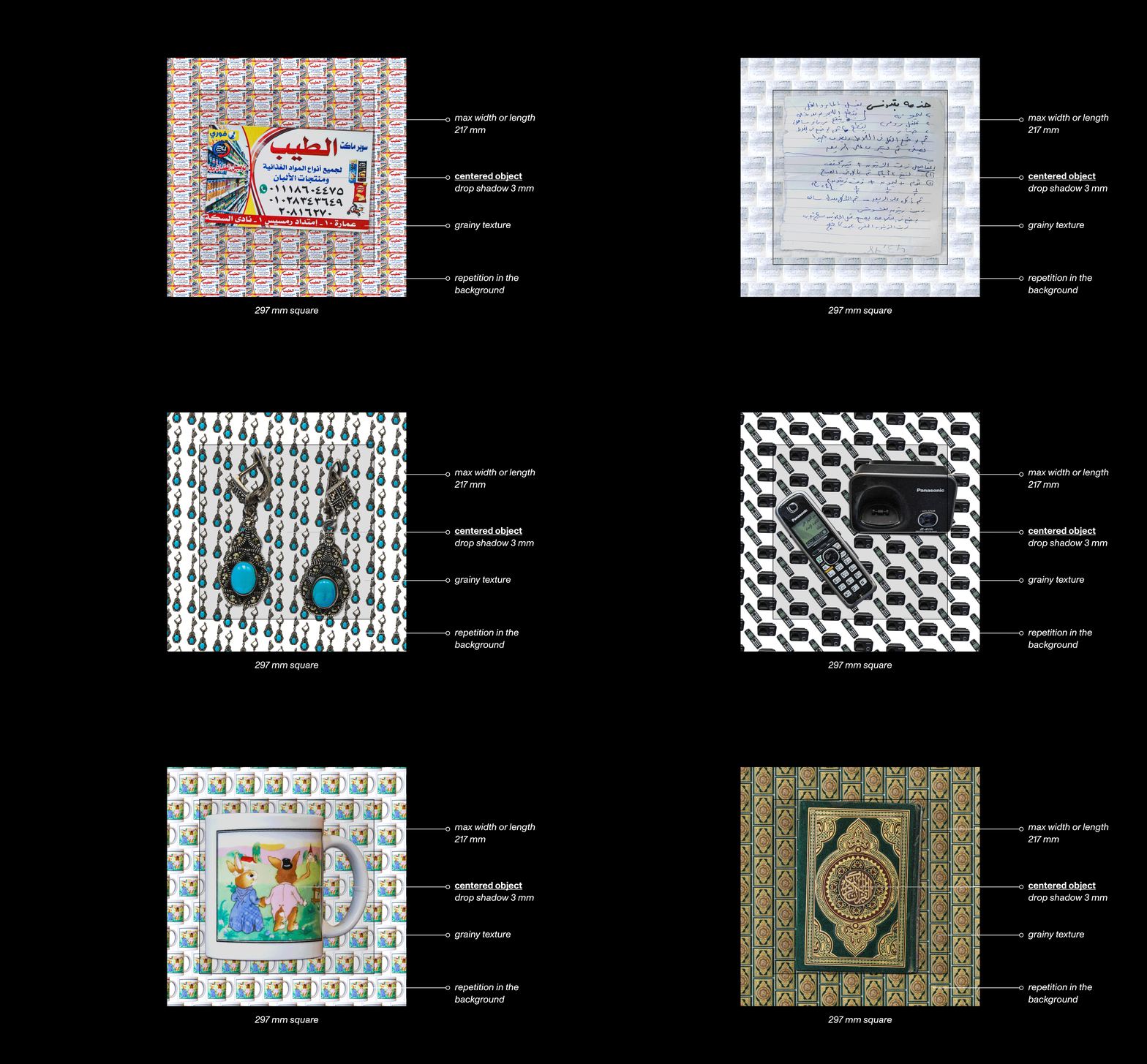
My grandmother always sits in the same couch corner. These things, however random they may be, are always present in that corner.
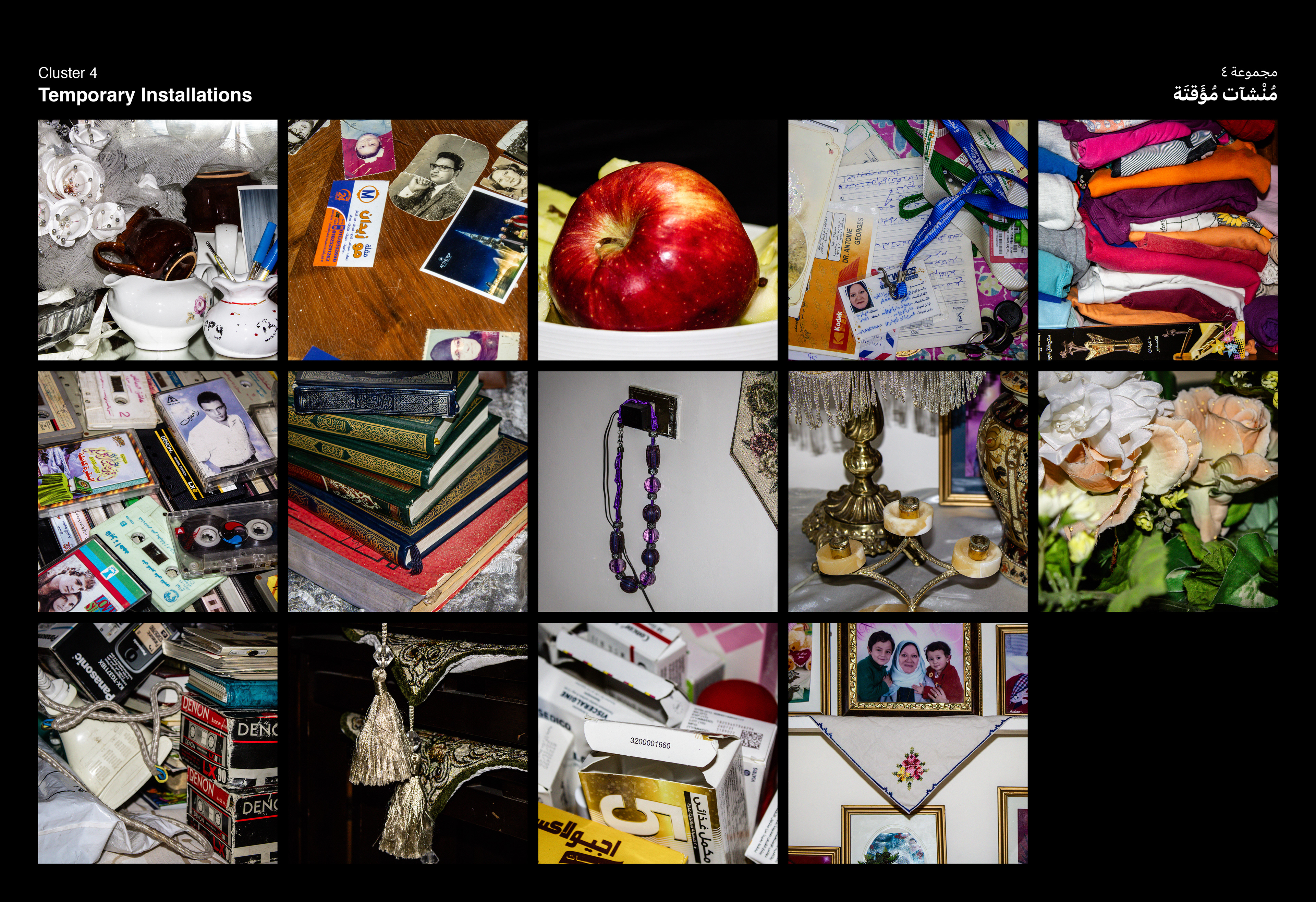
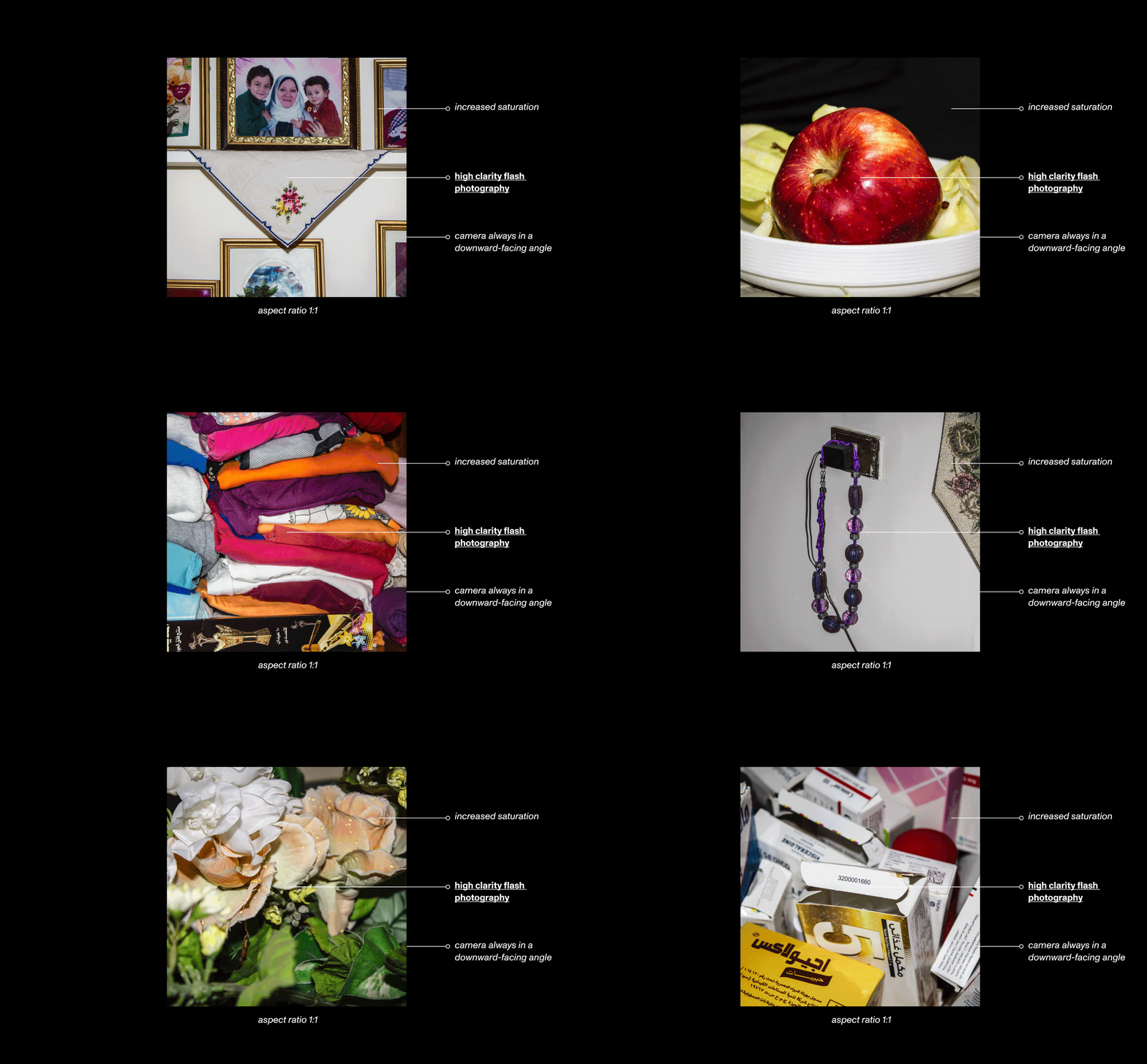
Regular, day-to-day domestic assemblies and arrangements made by my grandmother, which I consider masterpieces.
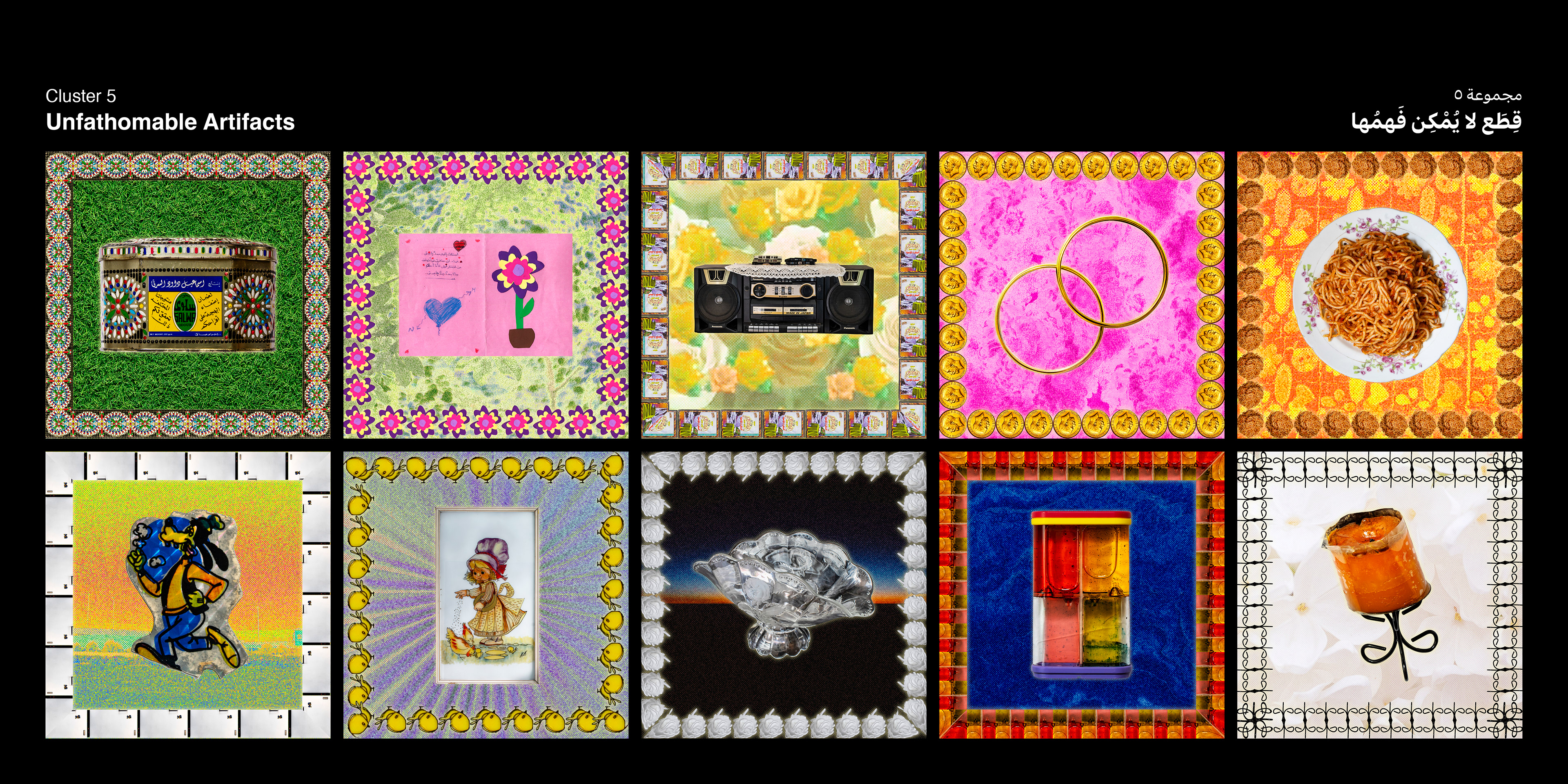
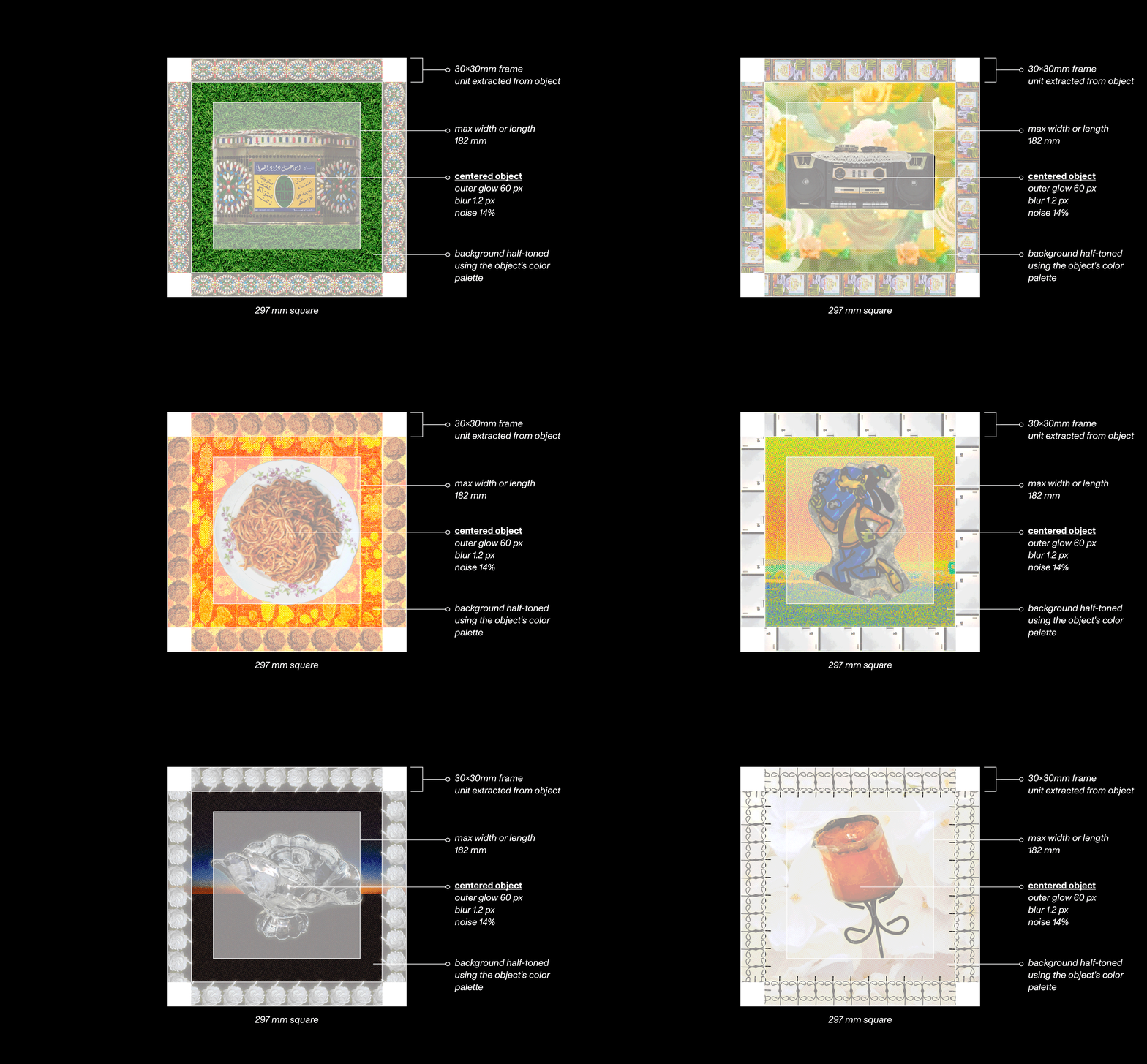
Several of her possessions that I strongly associate with her without any justification whenever she comes to my mind.
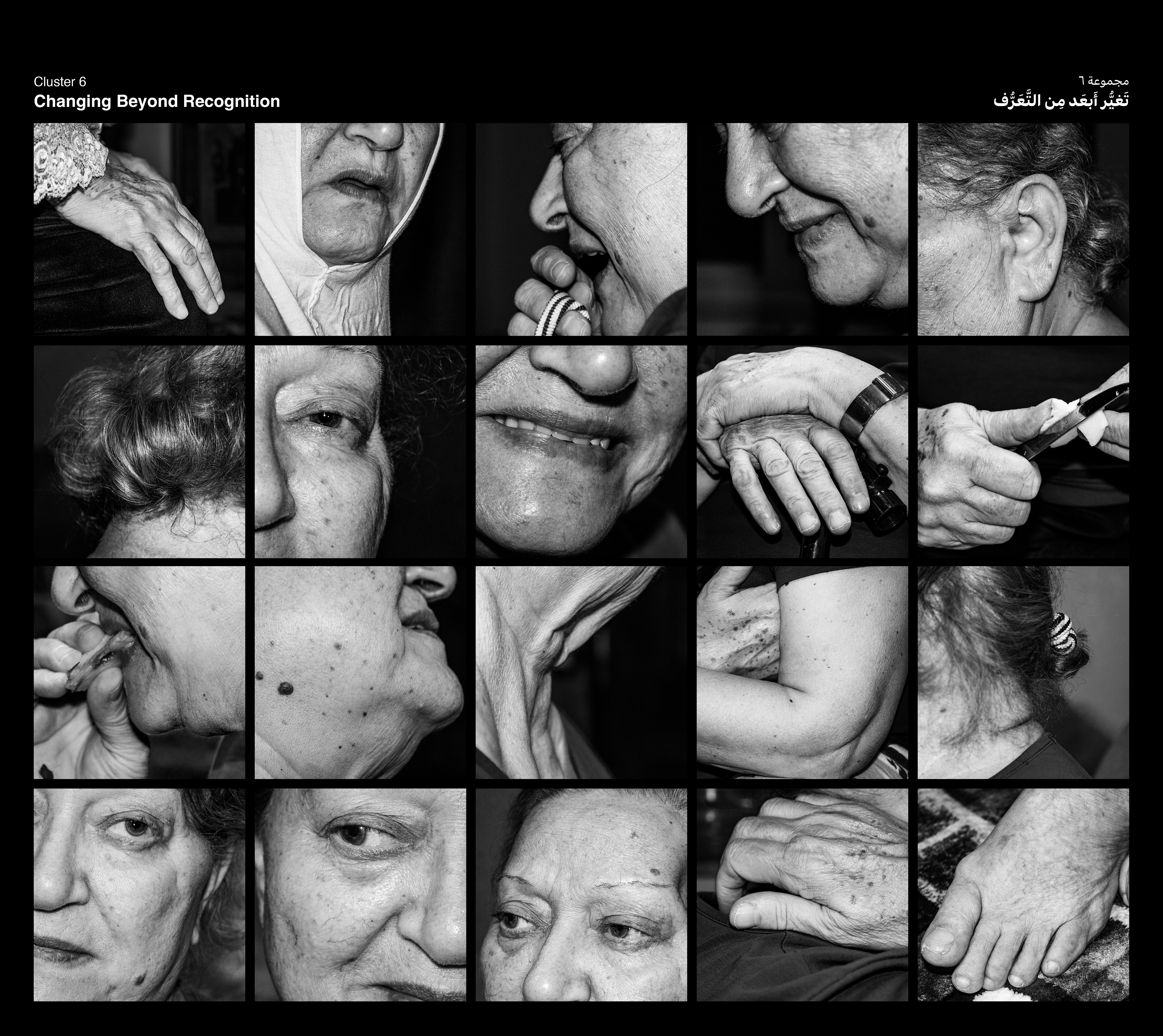
The most poignant cluster is the inevitable truth. It’s the cluster about my grandmother’s physique and how I see it changing beyond what I’ve always known, with the fleeting reality of time.
The Installation
I realized from the manner I clustered how I visualize my grandmother that the way we visualize a person we love is deeply affected by our current perception of their temporality, which is experienced in different attributes we relate to or remember about them. The ultimate purpose of the project evolved from merely visually representing the reality of the clusters to representing the experience of transience through them.
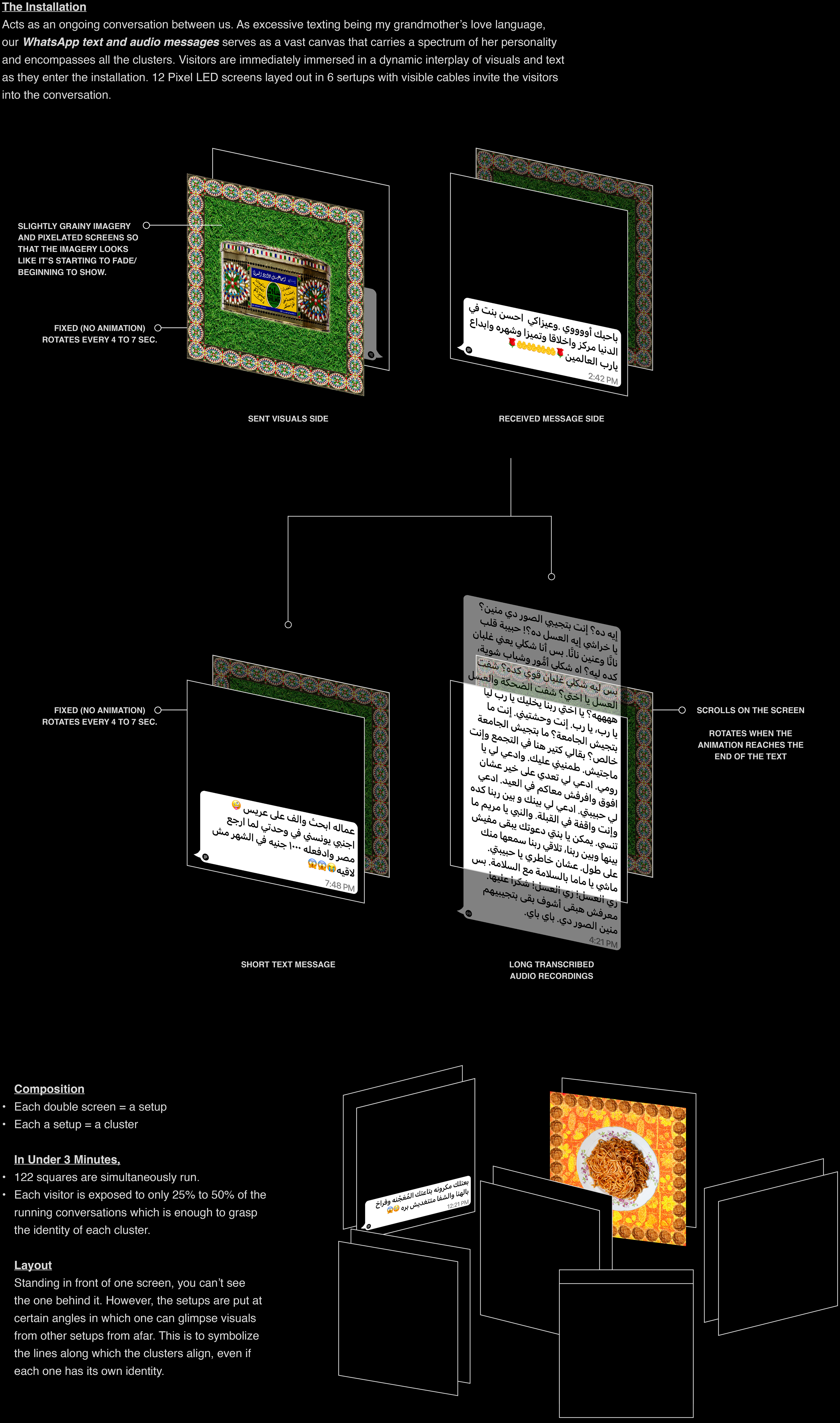
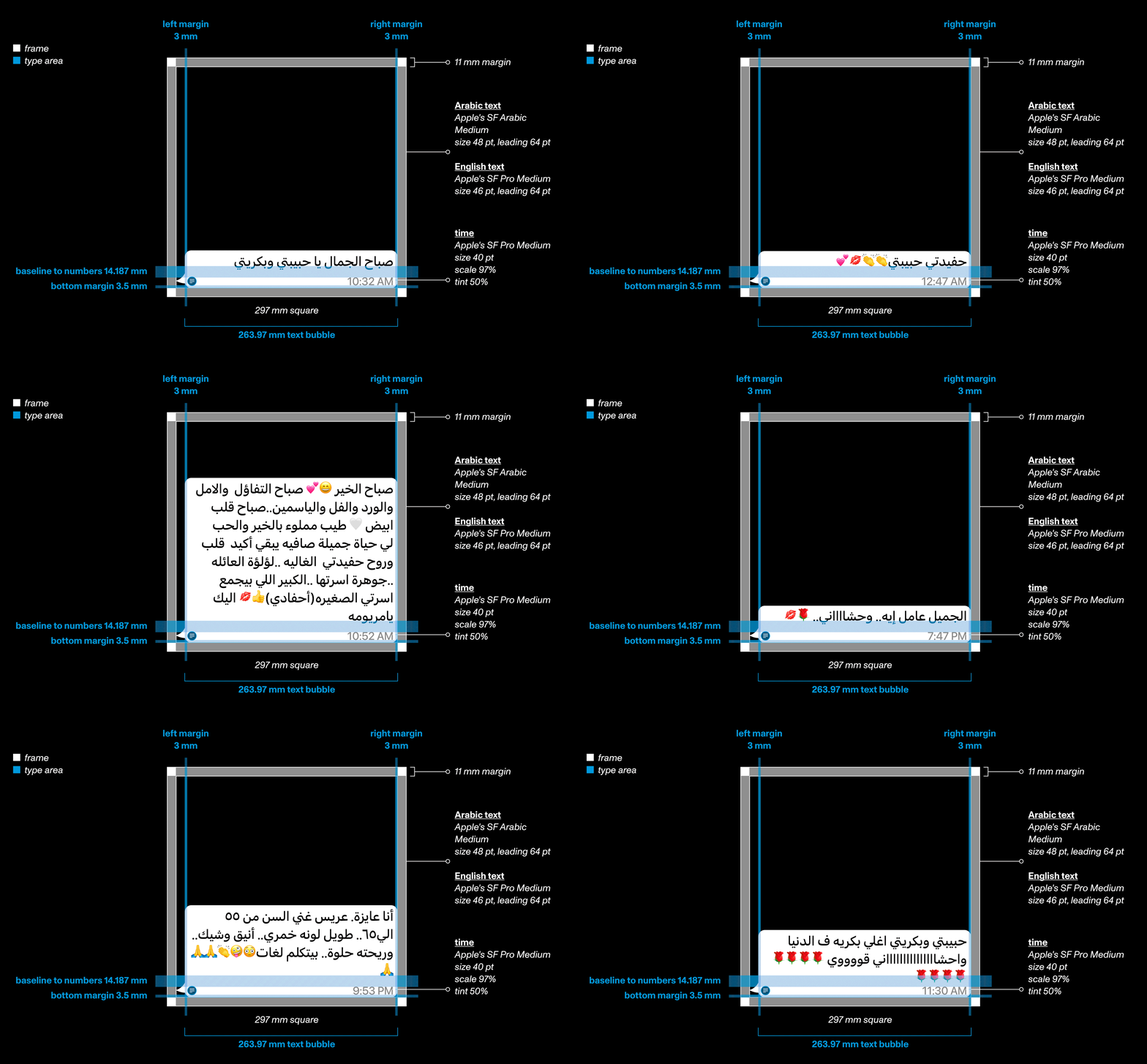
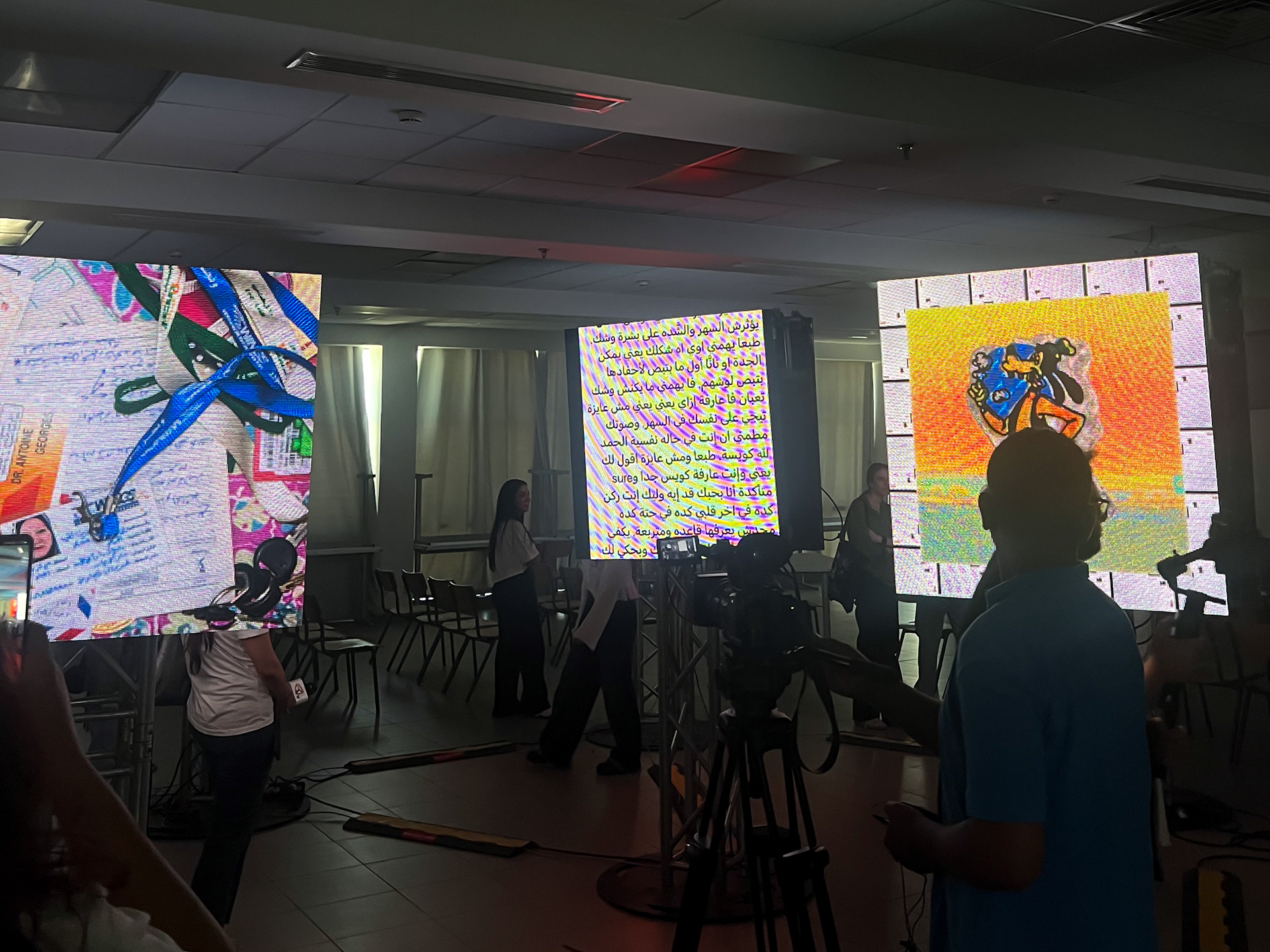
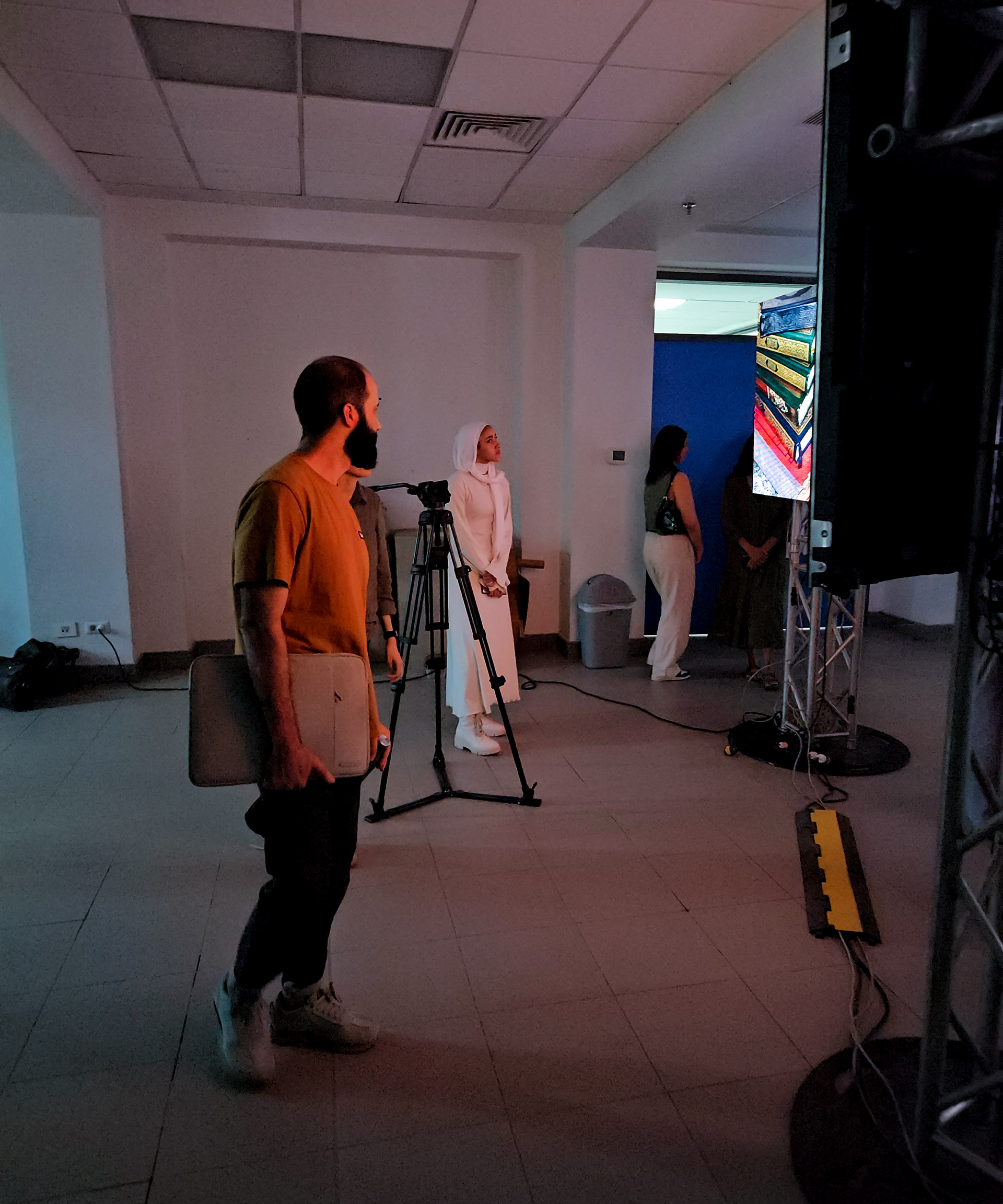
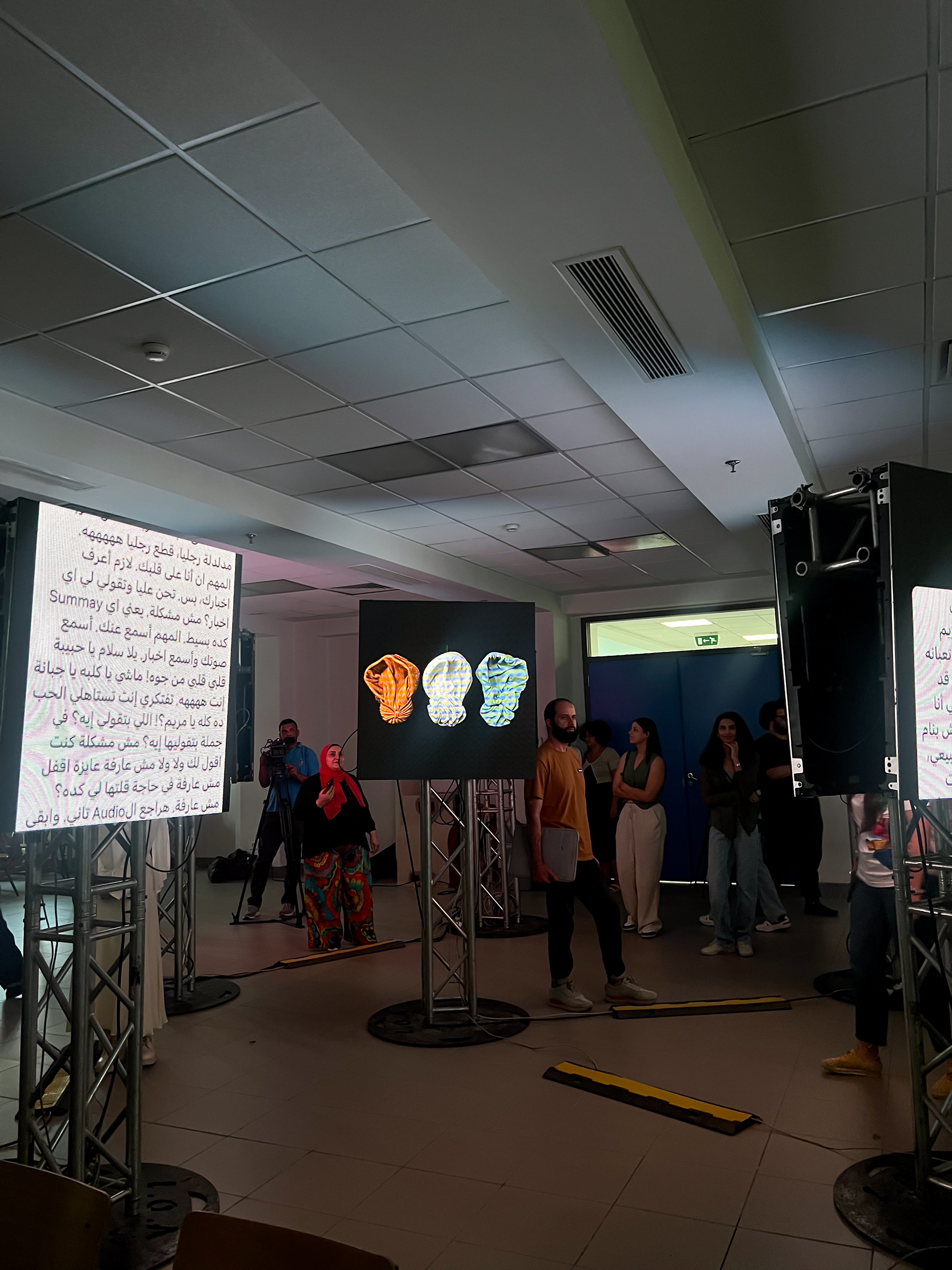
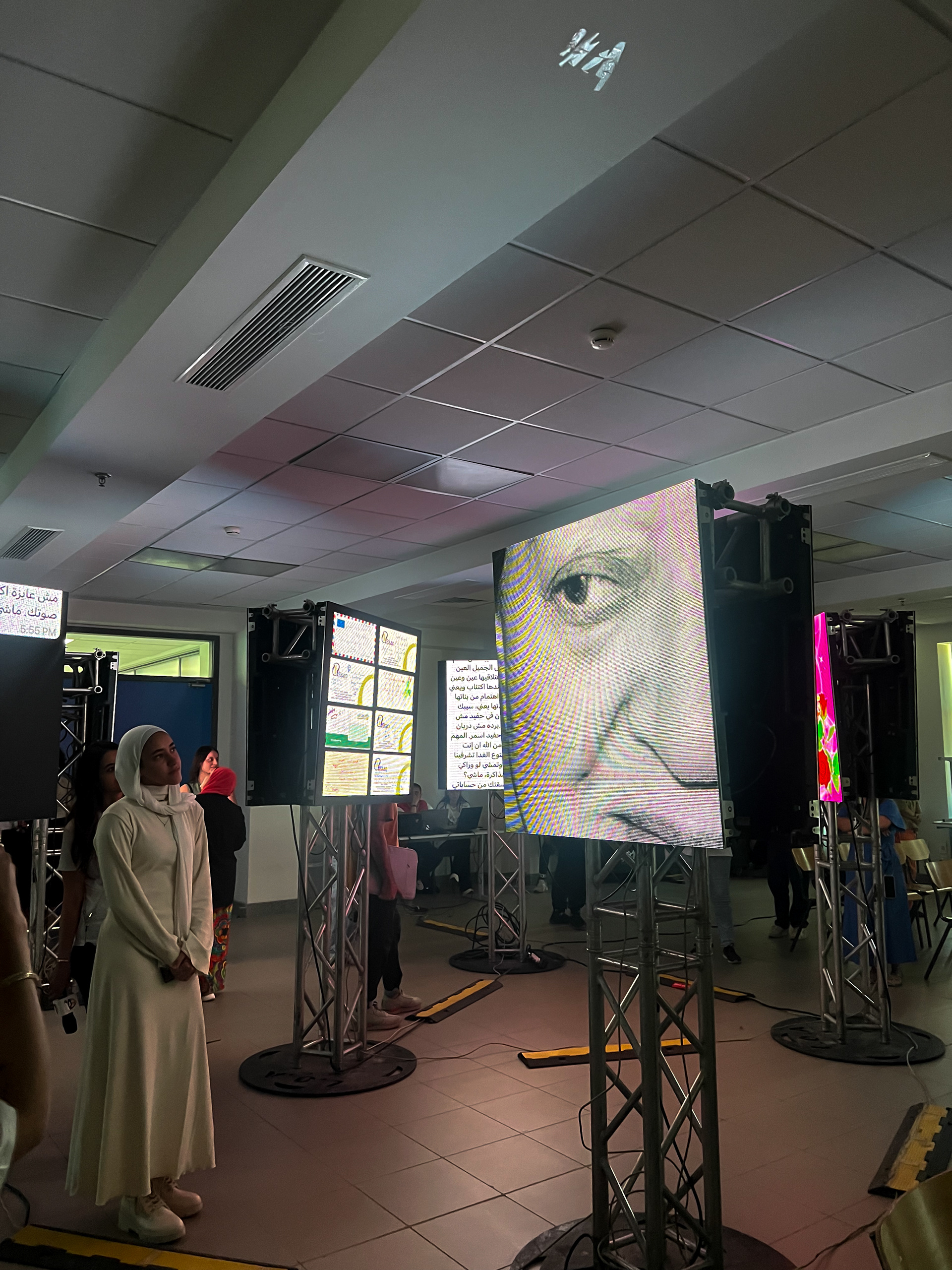
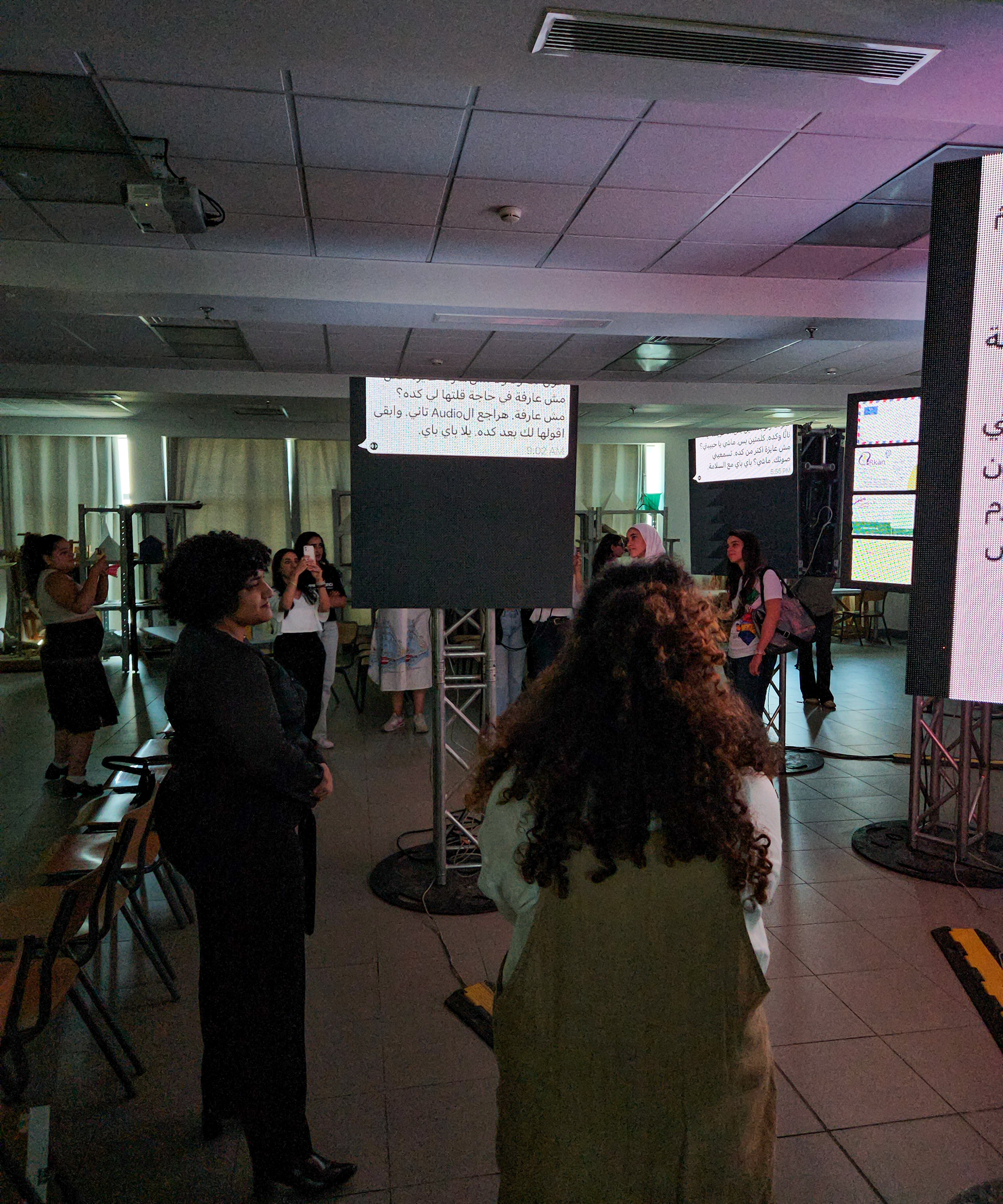
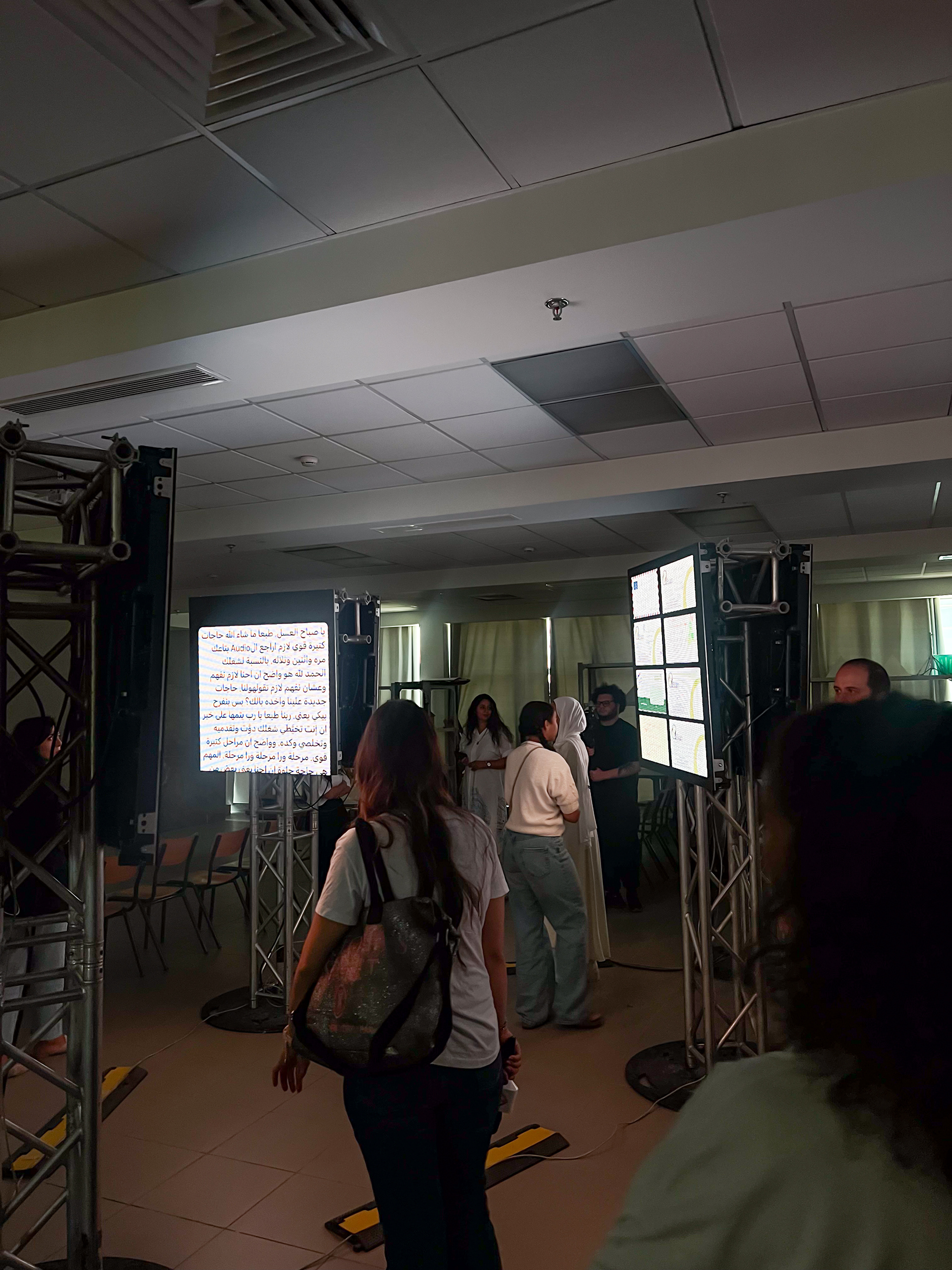
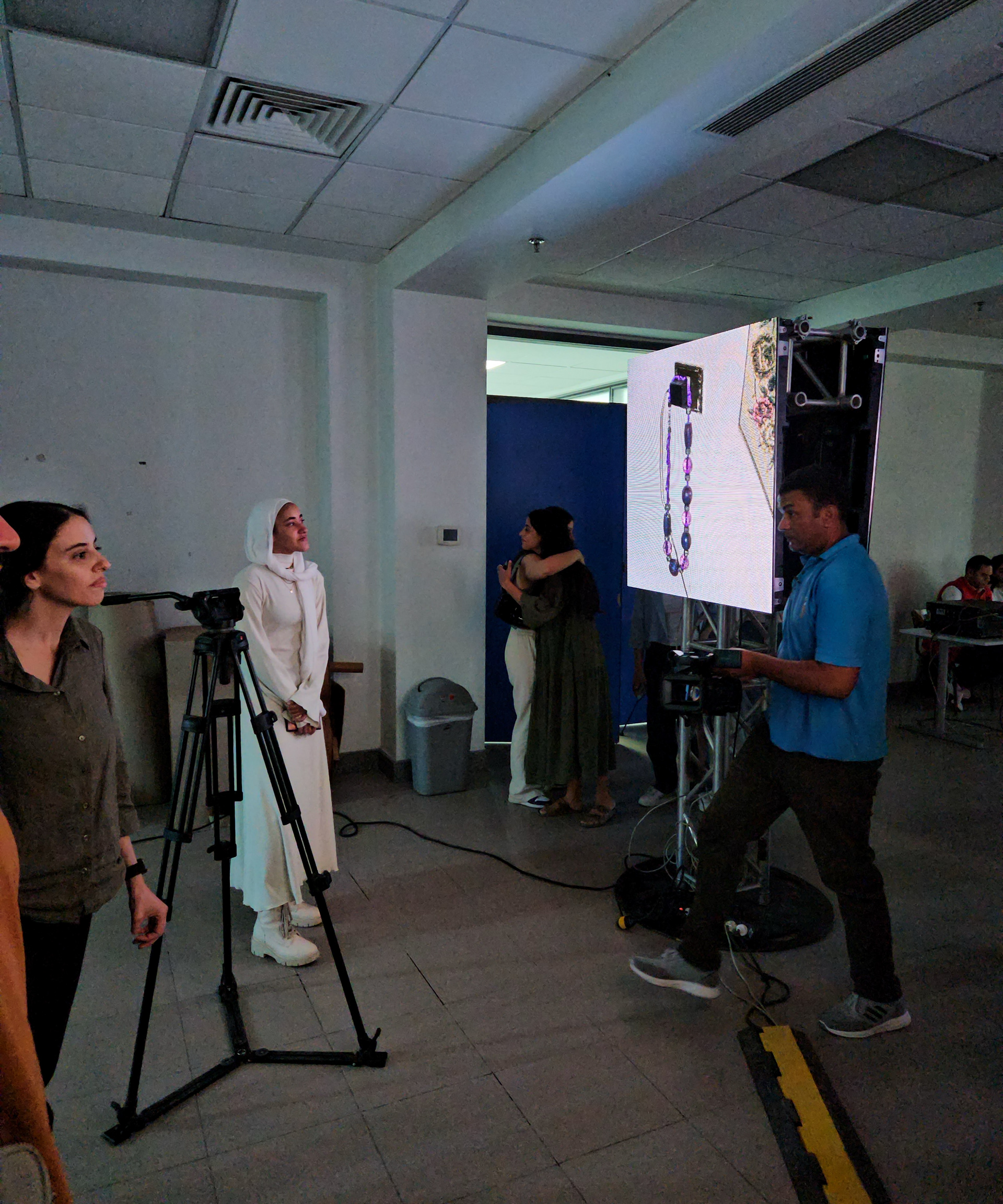
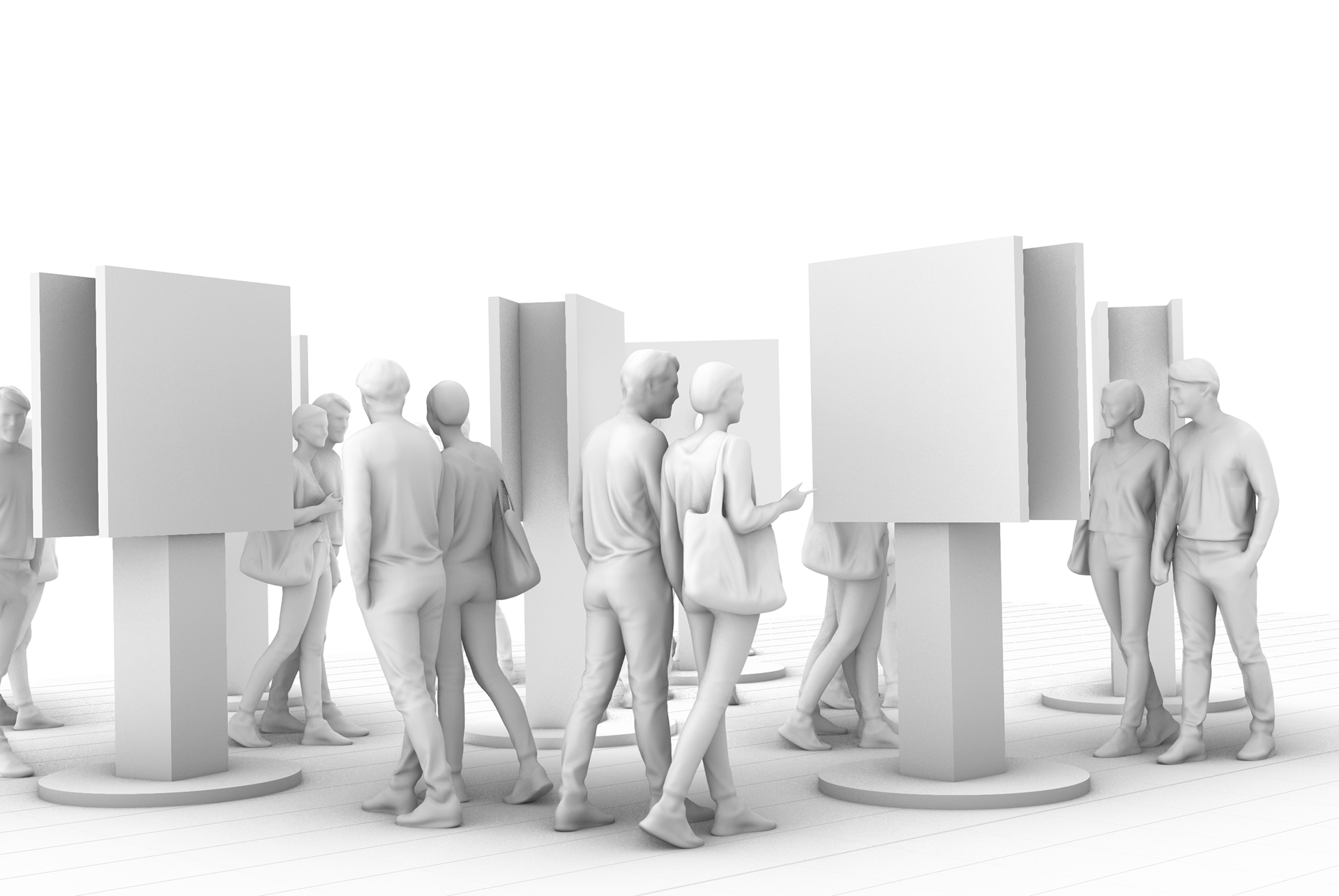
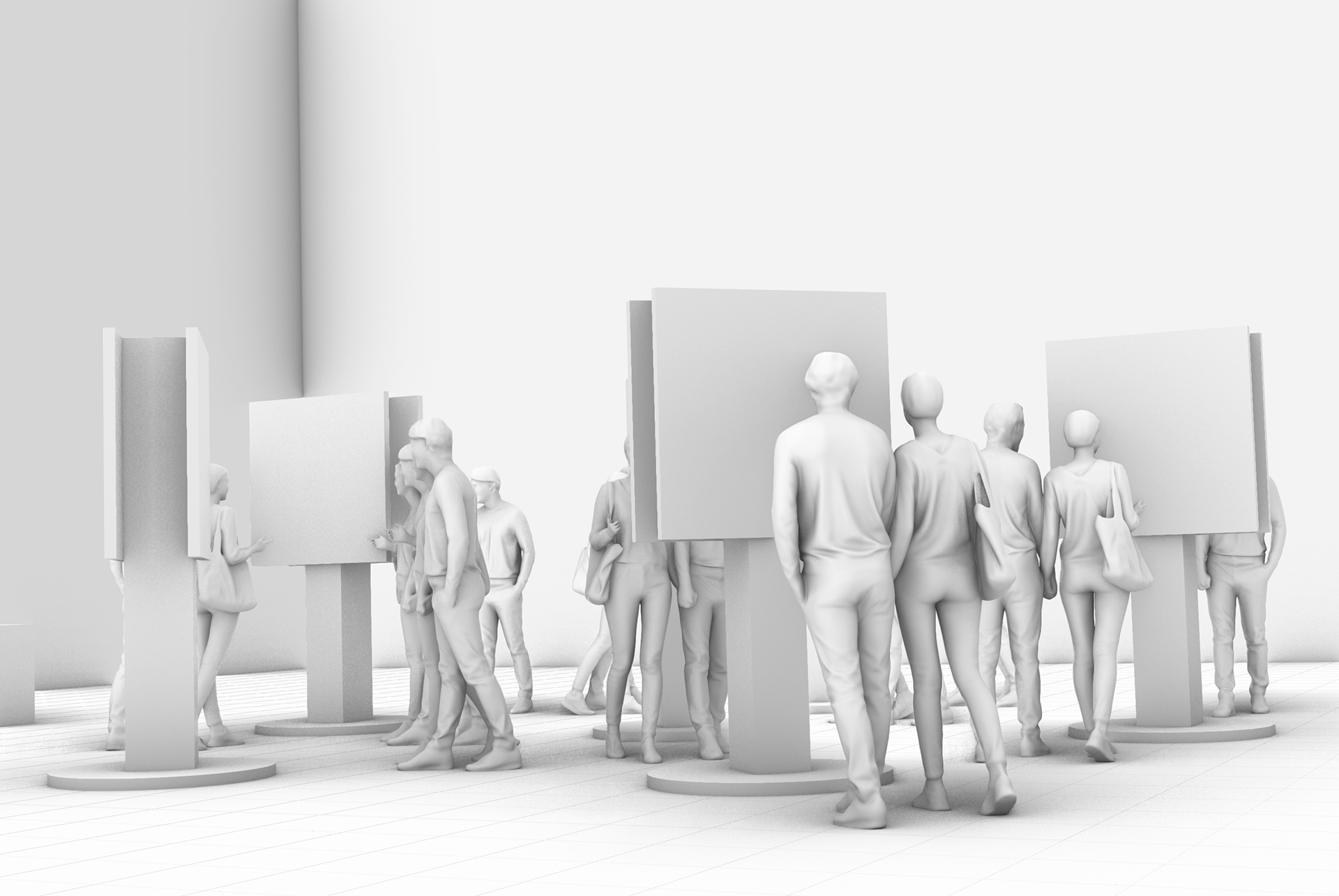
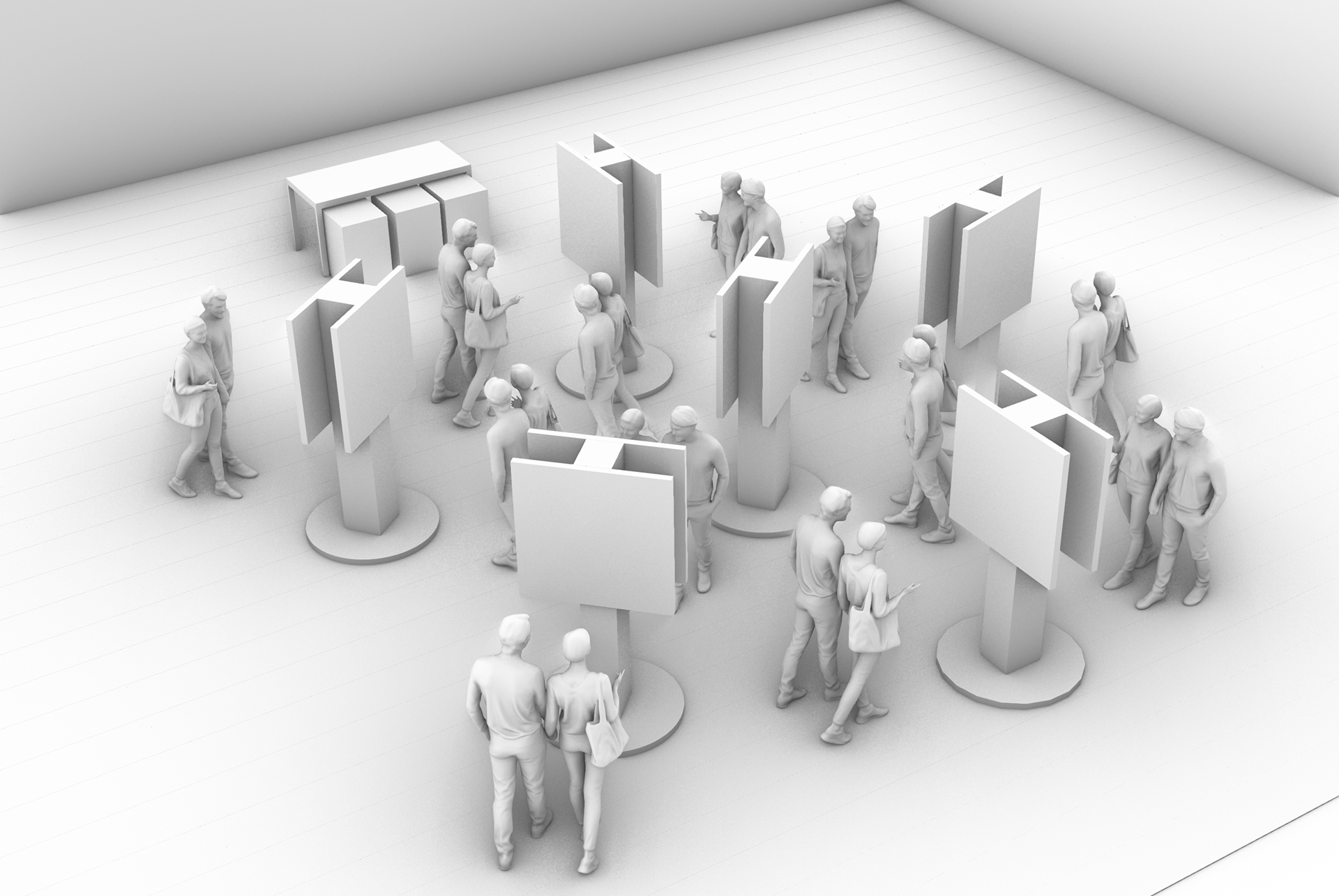
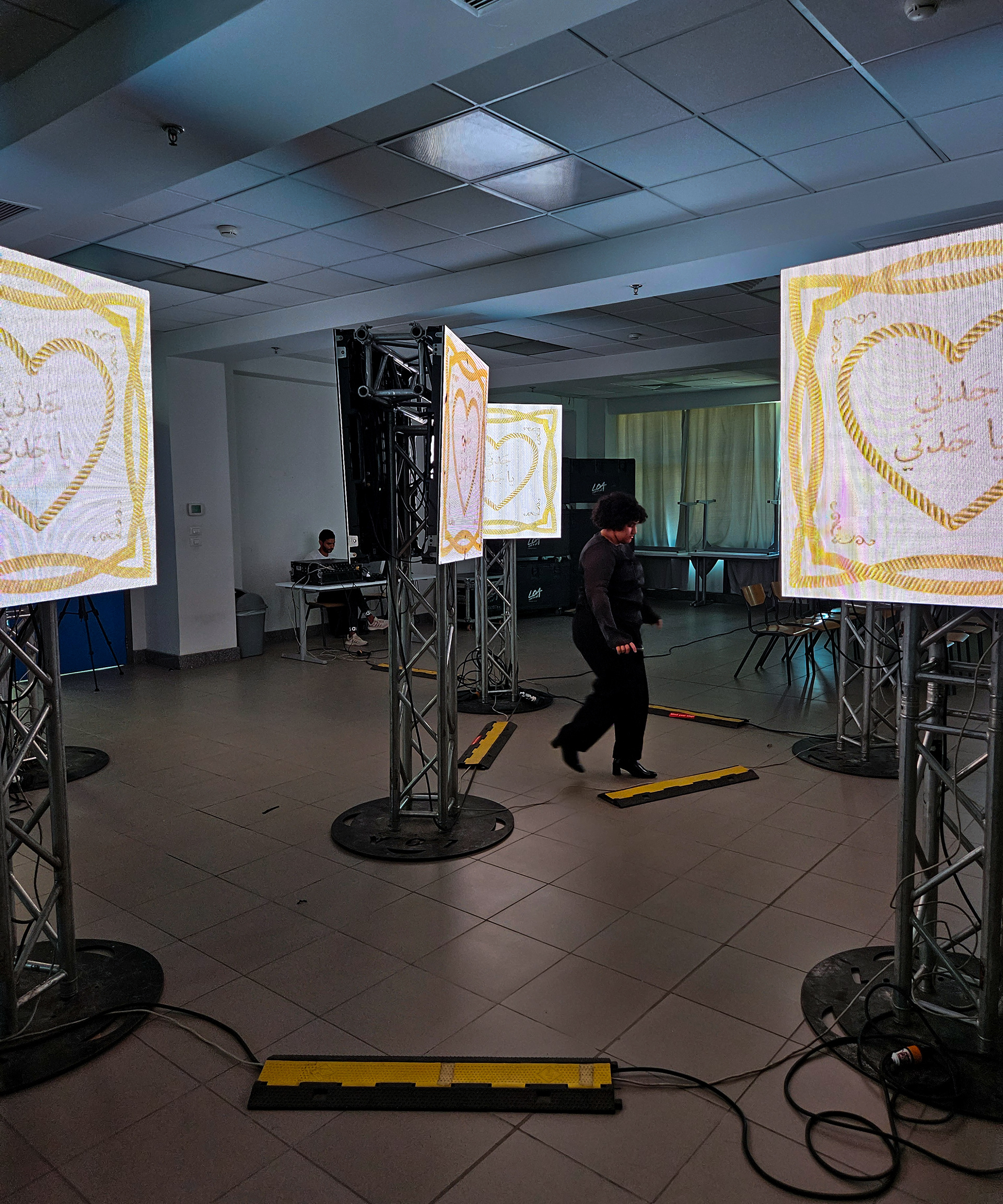
This intimate installation is a visual narration that translates a personal experience of transience through which I embody my grandmother. It non-chronologically demonstrates the interplay of clusters by confusing the tangible (the screen) and the temporal (the reality it portrays), making it irrelevant whether we are looking at a photograph or reading a text—as long as it fully engages us in understanding that this person is fleeting. The screen is treated as a frame that stops time and captures snapshots of my grandmother—mirrors reflecting how I experience her transient nature through her characteristics, the objects I relate to her, sounds, scents, or even her WhatsApp messages. The installation demonstrates the constancy of change, acting as an ongoing conversation between us. It invites viewers not only to witness but to enter it—a process in which I question the medium itself and my position as a visual communicator while contributing to the consciousness of female relationships within Egyptian family ethnography.
A live walk-through of the whole installation
The Conclusion
While the screens act as frames that stop time and capture snapshots of my grandmother, the installation itself testifies that even the things we attribute to our beloved—those that make us most aware of their fleetingness—are, in fact, fleeting themselves. It may be a paradox or a continuation; that remains open to the viewer.
